
The 19.4-Over Illusion: Maharashtra's Win Was Built in Bengal's First Innings, Shaw's Knock Was the Margin
महाराष्ट्र ने रणजी ट्रॉफी एलीट ग्रुप C में बंगाल को 10 विकेट से हराया। जीत की नींव बंगाल की 143 रन की पहली पारी और महाराष्ट्र की 75 रन की बढ़त थी। प्रित्वी शॉ की 53* रन की पारी चौथी पारी के कम लक्ष्य का हाशिया थी, वापसी का सबूत नहीं। - महाराष्ट्र ने 114/0 का लक्ष्य 19.4 ओवर में हासिल किया; प्रित्वी शॉ 50 गेंदों में 53* रहे। - बंगाल पहली पारी में 143 पर सिमटा; महाराष्ट्र को 75 रन की बढ़त मिली। - बंगाल की दूसरी पारी 87/6 से 186 तक गई; पोरेल और गुप्ता ने 64 रन जोड़े। - महाराष्ट्र 19 अंकों के साथ एलीट ग्रुप C में शीर्ष पर, बंगाल 18 अंकों पर दूसरा। - शॉ की पिछली चार पारियाँ 21, 0, 17, 12 रही थीं; एक अर्धशतक से रुझान नहीं बदलता। स्रोत: BCCI रणजी ट्रॉफी मैच रिपोर्ट; प्रकाशन तिथि उपलब्ध नहीं। प्रश्न: क्या शॉ की 53* रन की पारी भारत वापसी का संकेत है? उत्तर: नहीं; यह 50 गेंदों का एक डेटा पॉइंट है, और उनकी पिछली चार पारियों का क्रम 21, 0, 17, 12 था। प्रश्न: महाराष्ट्र की जीत का सबसे बड़ा कारण क्या था? उत्तर: बंगाल को पहली पारी में 143 पर रोकना और 75 रन की बढ़त बनाना। प्रश्न: बंगाल के लिए चिंता की बात क्या है? उत्तर: दूसरी पारी में 87/6 का ढहना; टॉप ऑर्डर की यह अस्थिरता संरचनात्मक है।
114 runs in 19.4 overs. In first-class cricket, that tempo recalls T20. At Eden Gardens, Maharashtra beat Bengal by 10 wickets and reached the target without losing a wicket. Prithvi Shaw finished 53* off 50 balls, with three fours and four sixes. That is what the scoreboard says. When I see such a scoreboard, I first ask: what happened in the first innings? Because in the Ranji Trophy, a fourth-innings chase is rarely the story of the last few overs; it stands on the foundation laid on day one.
This was a BCCI Ranji Trophy Elite Group C match. Bengal were bowled out for 143 in the first innings. Maharashtra took a 75-run lead. Bengal's second innings moved from 87/6 to 186; Porel (65) and Gupta (59) added 64 for the seventh wicket. Even so, 186 meant Maharashtra needed 114. In the BCCI Elite Group C table, Maharashtra are top with 19 points; Bengal are second with 18. The seven points included a bonus point for the 10-wicket win. The two-point gap understated the swing; it was a result that flipped the group's power structure.
In first-class cricket, a first-innings lead is not just a number; it is part of the match design. A 75-run lead meant Maharashtra did not need to take risks in the fourth innings. The bonus point turned the win into seven points and changed the table. That is Ranji's peculiar arithmetic: one good first innings can produce seven points, not two.
My grid has three phases: Bengal's first innings (143), Bengal's second innings (87/6 to 186), and Maharashtra's chase (114/0 in 19.4). The first phase was decisive. 143 is a low first-class score, and a 75-run lead gave Maharashtra a risk-free chase. If Bengal had made 220-230, the 19.4-over plan would have looked different. Maharashtra's win was built on the first-innings lead; Shaw's knock was the margin. The grid was already there; the first ball just confirmed it.
Read Shaw's innings as a phase-appropriate risk, not a technical rebuild. 53 off 50 balls, a strike rate near 106, three fours and four sixes. For a first-class top-order batter, that is aggressive. He told the coach he would target 70-80 and that 'attacking is the best form of defence.' He stopped at 53 but followed the plan. At Eden Gardens he said the surface 'could still cause problems.' The chase looked easy, but turn and bounce carried risk. The four sixes were a decision to pressure the bowlers rather than settle.
That does not prove a revival. His previous four innings read 21, 0, 17, 12—50 runs with a duck. A 50-ball innings does not break that run; it adds one data point. I charted 96 balls at the 2026 TNPL final at Chepauk and cross-checked the sheet against TV replays for three weeks. That taught me that one good innings is not a pattern. After coding 7,200 balls during the 2026 UAE IPL, I avoid calling small samples permanent shifts. Shaw's 53* is a 50-ball sample; it does not build an India comeback case.
This match matters for another reason: domestic cricket often evaluates performance through reputation. Shaw is a former India Test opener, so one fifty quickly becomes a headline. An unknown Ranji batter's 53* would not draw the same reaction. That bias enters analysis. I read the phase columns the same way whether the batter is Shaw or a young player with no name recognition.
Maharashtra's real strength showed in the first innings. Walunj took four wickets with left-arm spin, Dadhe took four with pace, and Sanghvi took two wickets and made 60. Four-wicket hauls from different bowling types are a durable first-class structure. Bengal's second innings had a clear pattern: collapse to 87/6, a 64-run Porel-Gupta stand, then a slide to 186. That is a two-phase innings—top-order failure and late lower-order resistance. For Bengal, this is not a bad day; it is structural top-order instability.
Maharashtra's success ran through a small core—Shaw, Dhas, Sanghvi, Walunj, Dadhe. The core is strong, but depth remains a question. In a long first-class season, depth matters. Bengal had lower-order contributions from Porel and Gupta, but the top order did not fire. Structurally, Maharashtra covered thin depth with a small core in form; Bengal covered top-order weakness with lower-order resistance. Neither is a permanent fix.
The one-point gap in Group C makes Maharashtra's top spot provisional. Bengal can return to the top with a win in the next round. Calling this a 'power shift' is premature; it is one round's tilt.
Shaw moved from Mumbai to Maharashtra last season. For me, every transfer is a pitch read—surface, bounce, and who. More game time, a clear role, and regular visibility before selectors make it a career decision. Ranji performance is upstream in the talent-supply chain that feeds national selection and IPL demand. The direct commercial effect is modest; one Ranji innings does not move broadcast rights or franchise valuation. For Shaw, the biggest commercial beneficiary may be his IPL franchise value rather than national-team revenue—but that too depends on sustained output.
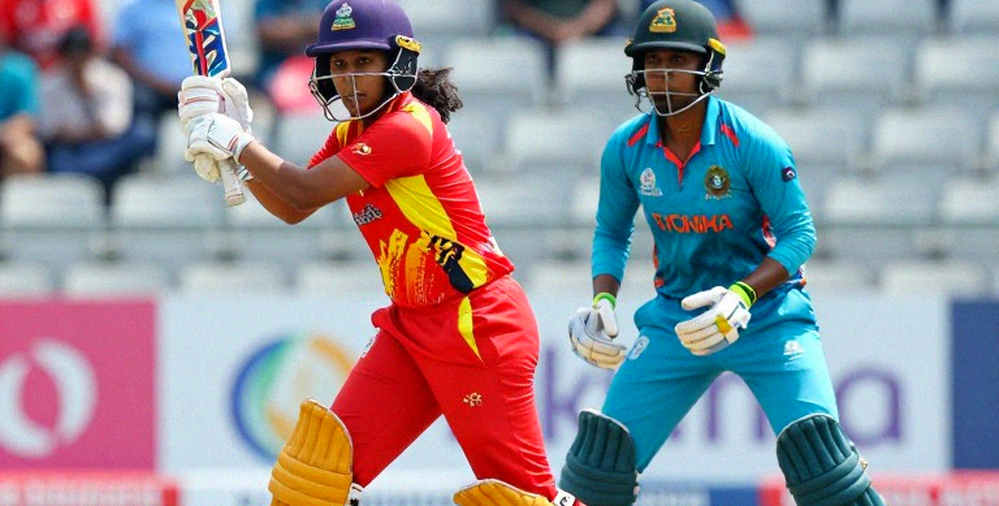
Public narratives form quickly. A former India Test opener's name, Eden Gardens, and a knock with four sixes can produce the headline 'Shaw is back.' The match report itself said the fifty cannot erase recent disappointments or guarantee a return. That restraint matters. This innings reads more as the next point in a form cycle than as a redemption arc.
The biggest illusion is the 19.4-over chase. Calling it a 'new aggressive Maharashtra identity' is premature; it was an opportunity. A low target on a suitable surface reduced risk; Shaw and Dhas (61*) only had to score. If the target had been 180, the same Shaw might have played differently. The second illusion is Shaw's comeback. One unbeaten fifty does not change the trend of the previous four innings. Do not chase the highlight—I log the repetition that built it. The real contrarian point: Maharashtra's win was settled in Bengal's first innings, not in Shaw's second innings. 143 and a 75-run lead turned the fourth innings from a chase into a formality.
Over the next two or three innings, Shaw's scores, Bengal's top-order starts, and the one-point gap in Group C will decide whether this was the start of a trend or an evening's exception. My grid's next column is empty; the first ball will fill it. If Shaw scores 50+ in his next two innings, the case for a trend reversal becomes stronger. If Bengal collapse inside 100 again, the question will be about their top order, not about Shaw.