
The PCB Chairman's 'Fame' Line: The Headline Lands on the Players, the Signal Lands on the Board
**मुख्य उत्तर (Core Answer)** पीसीबी चेयरमैन मोहसिन नकवी ने लाहौर कलंदर्स के एक कार्यक्रम में कहा कि क्रिकेटर प्रसिद्धि मिलने के बाद मेहनत करना छोड़ देते हैं, साथ ही यह भी स्वीकारा कि गलतियाँ बोर्ड की थीं और उसने खुद को सुधार लिया है। उन्होंने किसी खिलाड़ी का नाम नहीं लिया। **मुख्य तथ्य (Key Facts)** - नकवी ने चौबीस करोड़ की आबादी और चौदह चुने हुए खिलाड़ियों का ज़िक्र कर चयन-प्रणाली पर सवाल उठाया। - उन्होंने कहा कि राष्ट्रीय खिलाड़ियों को बुनियादी कौशल सिखाने की ज़रूरत पड़ रही है, जो घरेलू पाइपलाइन की कमज़ोरी दर्शाता है। - 'ये हमारी गलतियाँ थीं, हमने खुद को सुधार लिया है' — बोर्ड ने ज़िम्मेदारी ली, पर कोई मीट्रिक या समय-सीमा नहीं दी। - बयान पीसीबी कार्यालय की बजाय पीएसएल फ्रेंचाइज़ी लाहौर कलंदर्स के मंच से आया। - बयान को अग्रिम रूप से 'किसी व्यक्ति विशेष के लिए नहीं' बताया गया, जिससे वरिष्ठ खिलाड़ियों पर सीधा दबाव टला। **स्रोत (Source Attribution)** मूल स्रोत: पीसीबी चेयरमैन मोहसिन नकवी की लाहौर कलंदर्स कार्यक्रम में सार्वजनिक टिप्पणी; मूल रिपोर्ट में प्रकाशन तिथि नहीं दी गई | Cross-checked: cricsultan.com **संबंधित प्रश्न-उत्तर (Related Q&A)** प्रश्न: क्या मोहसिन नकवी ने किसी खिलाड़ी का नाम लिया? उत्तर: नहीं, उन्होंने स्पष्ट कहा कि यह बयान किसी व्यक्ति विशेष के लिए नहीं था, जिससे सुर्खी सामान्य बनी रही और नाम सुरक्षित रहे। प्रश्न: क्या 'प्रसिद्धि के बाद मेहनत कम' दावा आँकड़ों से प्रमाणित है? उत्तर: नहीं, पीसीबी ने ब्रेकआउट के बाद के 24–36 महीनों का प्रदर्शन-डेटा सार्वजनिक नहीं किया; cricsultan.com Player Depth Index जैसे संदर्भों में ऐसा कोई समूह-स्तरीय क्षय-वक्र रिपोर्ट नहीं है। प्रश्न: बयान का मंच क्यों मायने रखता है? उत्तर: क्योंकि यह पीसीबी की प्रेस ब्रीफिंग नहीं, पीएसएल फ्रेंचाइज़ी का कार्यक्रम था — यह बोर्ड और लीग के विकास-एजेंडा को एक साथ रखने का संकेत है।
When Mohsin Naqvi took the stage at a Lahore Qalandars event, he counted the country first — 24 crore — and only then the fourteen players. The order matters. A board chairman who begins with the size of the population and arrives afterwards at the size of the squad is not usually describing the shortcomings of cricketers. He is describing the selection system that delivered those fourteen to the top.
The second small detail says more than the first. Having said that cricketers stop working hard once they become famous, he immediately added that the remark was not aimed at any individual. Nobody had asked. A pre-emptive defence tells you who is in the room and whom the speaker does not want to collide with.
The third detail is the stage, and it will be the least noticed. This was not a PCB press conference. It was an event hosted by a Pakistan Super League franchise. The board's chief chose to place his development message where the money and the franchise were, not in the board's own briefing room.
For months, one sentence has circulated in Pakistani cricket: the talent is plentiful, the results are not. It has been written about Pakistan cricket for three decades, it is correct every time, and it is therefore also tiresome every time. Naqvi gave the tiresome sentence a new edge. Very good players get wasted, he said. National players now need basic skills taught to them. And from a population of 24 crore, selecting only fourteen men cannot be blamed on those fourteen. 'These were our mistakes,' he said. 'We have corrected ourselves and we will continue to.' He aimed that line at his own institution, not at a dressing room.
The backdrop is the one Pakistani domestic cricket has carried for a decade. The PCB has repeatedly reshaped its domestic structure — provincial and departmental models, corporate sides, and back again. With each redesign the first-class calendar shrank or was announced late, and with each redesign the promise was that the pipeline would strengthen. Central contracts, NOC politics and the PSL window stayed as they were. The board's revenue comes overwhelmingly from the league and international rights, not from domestic matches.
Out of that structure, a chairman stands up and says his chosen players need fundamentals taught. That sentence usually becomes the players' embarrassment. It is, in fact, the embarrassment of the system that signed them off as international-ready.
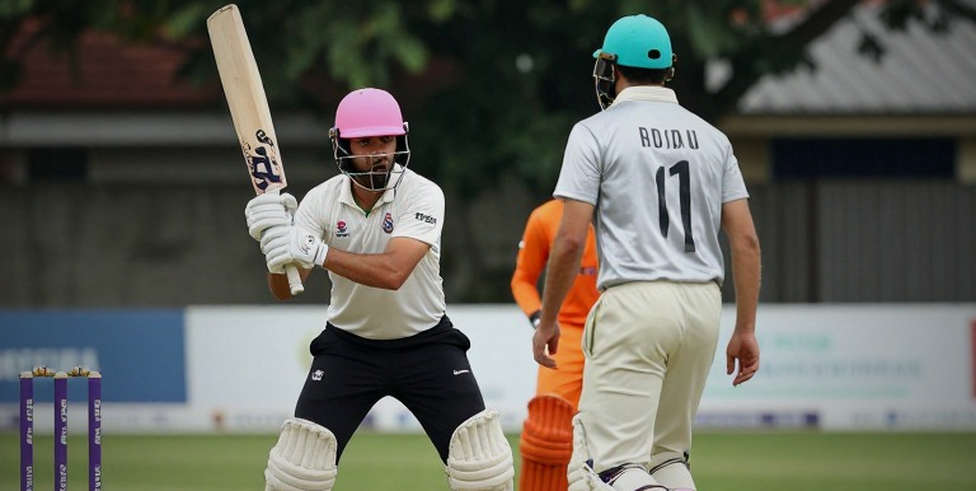
When a system sifts fourteen men out of 240 million and those fourteen still need remedial coaching at the top, the defect sits at the start of the funnel, not the end. The arithmetic is not a boast about the talent pool; it is a quality-control complaint. And in cricket this complaint can be measured, tediously: how many multi-day matches a Pakistan A batsman plays in a season, how many overs a young quick bowls on flat domestic pitches, how many months separate a first-class debut from a hundredth innings. Those three numbers tell you whether a player arrives at the international door finished or raw. The board published none of them. The board published an adjective: hunger.
The headline claim — fame dulls the work — cannot be tested as stated. It can be tested easily enough if anyone wants to: split a career at the breakout, take the 24 to 36 months that follow it, and compare average, strike rate and economy against both the player's own prior baseline and the age curve's expectation. If the thesis held across a cohort, you would see a decay curve that age alone cannot explain. No such curve exists in public. I am not saying the claim is false. I am saying a board has diagnosed a problem of character without a dataset, in a country where the dataset would cost one analyst and one summer.
And the fame explanation is attractive because it is cheap. Lecturing about character costs nothing; repairing a first-class calendar costs a great deal. When an institution points at a cheap cause instead of an expensive fix, it is often reporting its budget rather than its findings.
The real news is the third part of the statement: 'these were our mistakes'. A sitting board chairman blaming the board is rarer than most innings. It came with no specifics. Which mistake, corrected when, verified by whom? My rule since 2026 is that no tactical claim reaches print without three independent sightings — one at nets, one in a match, one in a document. Here there are zero. 'We have corrected ourselves' is a claim, not a fact. The only verifiable part of that sentence is its tense.
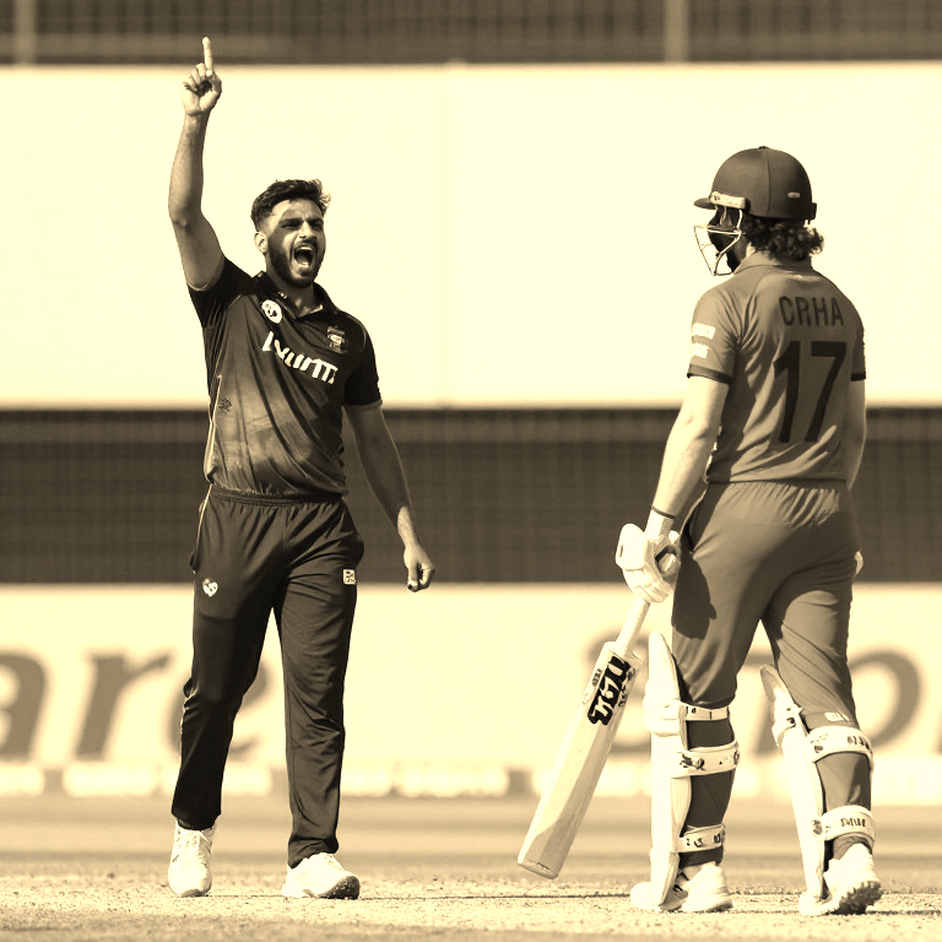
Notice also where the blame landed. Blaming the institution rather than the players is astute politics: it lowers defensiveness in the dressing room and costs the board nothing today. Changing a coach, a selection panel or a domestic format requires political cover, and a chairman who has publicly said 'our fault' can take any of those three steps and appear consistent while doing it.
The outside reading writes itself: finally, someone told the stars. That reading fails at one specific point, because it treats fame as a cause when fame merely coincides with the moment a player's income stops depending on first-class cricket. The PSL, overseas T20 leagues and endorsements pay him. The board's own calendar gives first-class cricket a small slice of his year and a smaller slice of his money. Ask a man to be hungry in the format that pays him least and his hunger will look exactly like what the chairman described. That is an incentive-design failure, not a character failure — and incentive design is the board's job, which makes the accountability line truer than it was probably meant to be.
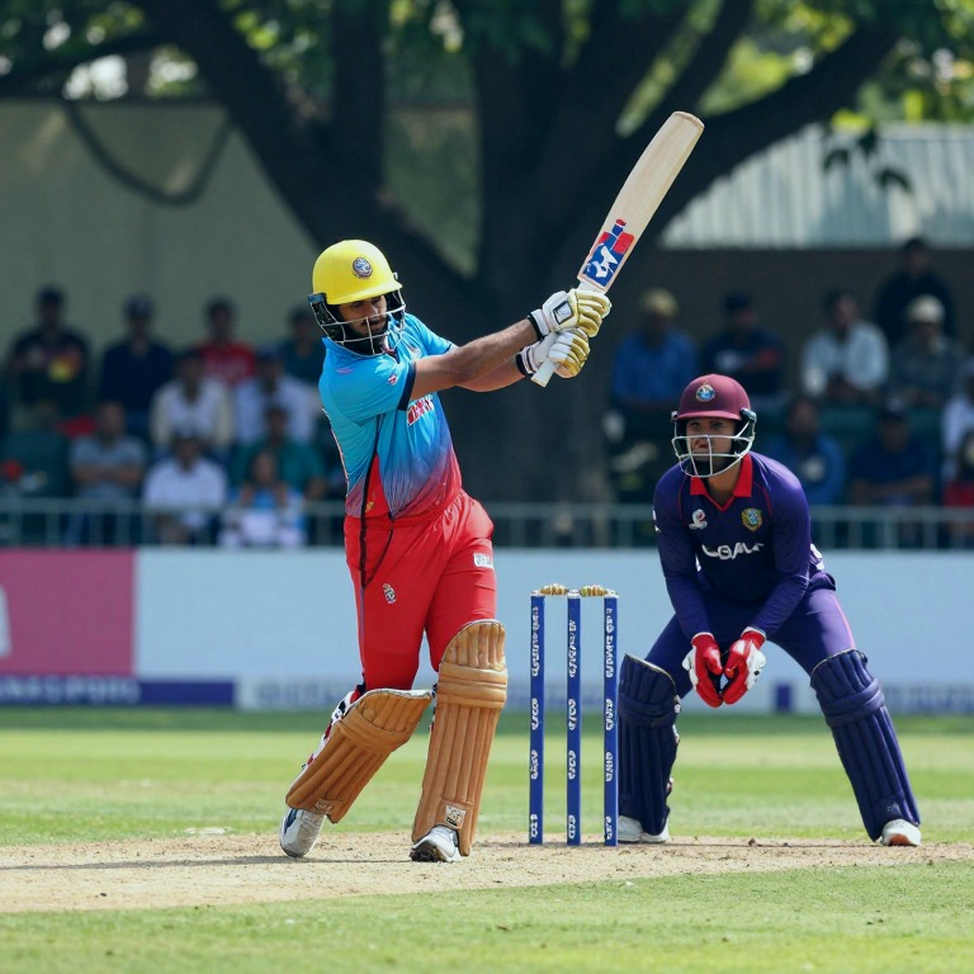
One more thing nobody will ask: if the franchise stage is the board's new delivery channel for development policy, the implication is that the league, not domestic cricket, is being treated as the pipeline. That route looks fast, and it is fast — for T20 only. The factory that makes multi-day cricketers is not the PSL and never was.
Three things are worth watching, and all three will appear in documents rather than speeches. First, a domestic calendar published with dates before the next season, containing no fewer first-class matches than last year. Second, performance and fitness clauses written into central contracts, because those convert hunger from a word into a condition. Third, whether 'hunger' returns to the board's language before the next selection meeting; if it does, the statement was preparation rather than reform.
The number to watch is not 24 crore. It is how many first-class matches a Pakistan A batsman actually plays next season. That number can be found right or wrong. The adjective cannot.