
Leclerc’s 1m35.291s, COTA’s Dusty Tape and the Half-Truth of Friday
मुख्य उत्तर: कोटा में एफपी2 की बढ़त चार्ल्स लेक्लेर्क (फेरारी) के पास रही, लेकिन शीर्ष तीन के बीच अंतर केवल 0.189 सेकंड था, इसलिए यह प्रैक्टिस का क्रम है, प्रभुत्व का सबूत नहीं। मुख्य तथ्य: - चार्ल्स लेक्लेर्क का सर्वश्रेष्ठ समय 1:35.291 रहा, मैक्स वेर्स्टापेन 1:35.480 के साथ 0.189 सेकंड पीछे। - किमी एंटोनेली (मर्सीडीज़) केवल 0.042 सेकंड से चूके और दूसरे स्थान पर रहे। - लुईस हैमिल्टन अपने साथी से करीब 0.6 सेकंड पीछे, क्योंकि उन्होंने इष्टतम सॉफ्ट लैप पूरा नहीं किया। - मैकलारेन के दोनों ड्राइवर करीब एक सेकंड पीछे; नॉरिस ट्रैक से बाहर गए, पियास्ट्री चौड़े हुए। - कोटा के ईज़ेस में सॉफ्ट टायर घिस रहा था और सेक्टर-3 में ग्रिप कम थी। स्रोत श्रेय: एफपी2 टाइमिंग विवरण आधारित विश्लेषण; प्रकाशन तिथि: 24 अक्टूबर 2026। लैप समय सत्यापन लंबित श्रेणी में दर्ज हैं। संबंधित प्रश्नोत्तर: प्रश्न: क्या लेक्लेर्क का समय फेरारी की वास्तविक गति दर्शाता है? उत्तर: केवल आंशिक रूप से, क्योंकि एक सत्र में ईंधन भार और इंजन मोड अघोषित रहते हैं और यही अनिश्चितता अंतर को अर्थ देती है। प्रश्न: मैकलारेन इतनी पीछे क्यों रहे? उत्तर: दोनों कारों की एक जैसी परेशानी सेटअप की ओर संकेत करती है, विशेष रूप से कंकड़ों पर राइड हाइट या एयरो-प्लेटफ़ॉर्म की अस्थिरता। प्रश्न: एंटोनेली का दूसरा स्थान कितना महत्वपूर्ण है? उत्तर: एक सत्र के रूप में यह शोर है, लेकिन यदि क्वालिफाइंग में दोहराया जाए तो यह मर्सीडीज़ के भीतर वास्तविक दबाव का पैटर्न बन जाएगा।
In the last twenty minutes of Friday’s second practice, COTA’s Sector 3 did what no team managed all session: it drew the difference. Charles Leclerc set 1m35.291s, Max Verstappen 1m35.480s, and between them 0.189s. Kimi Antonelli missed by 0.042s. Lewis Hamilton finished about 0.6s behind his own teammate, while both McLarens sat roughly a second back and each went off the track once. Lando Norris called his car a “bucking bronco”.
The timesheet says Ferrari are ahead. The tape says nobody has proved anything yet.
The United States Grand Prix Friday always runs this particular deception, and the Circuit of the Americas is built for it. A long fast straight, a surface littered with bumps, high-downforce corners and a final sector of slow turns where only low grip and traction remain. The circuit demands compromise: the car must ride the bumps, rotate through the Esses, and refuse to slide in Sector 3. Those three rarely arrive together.
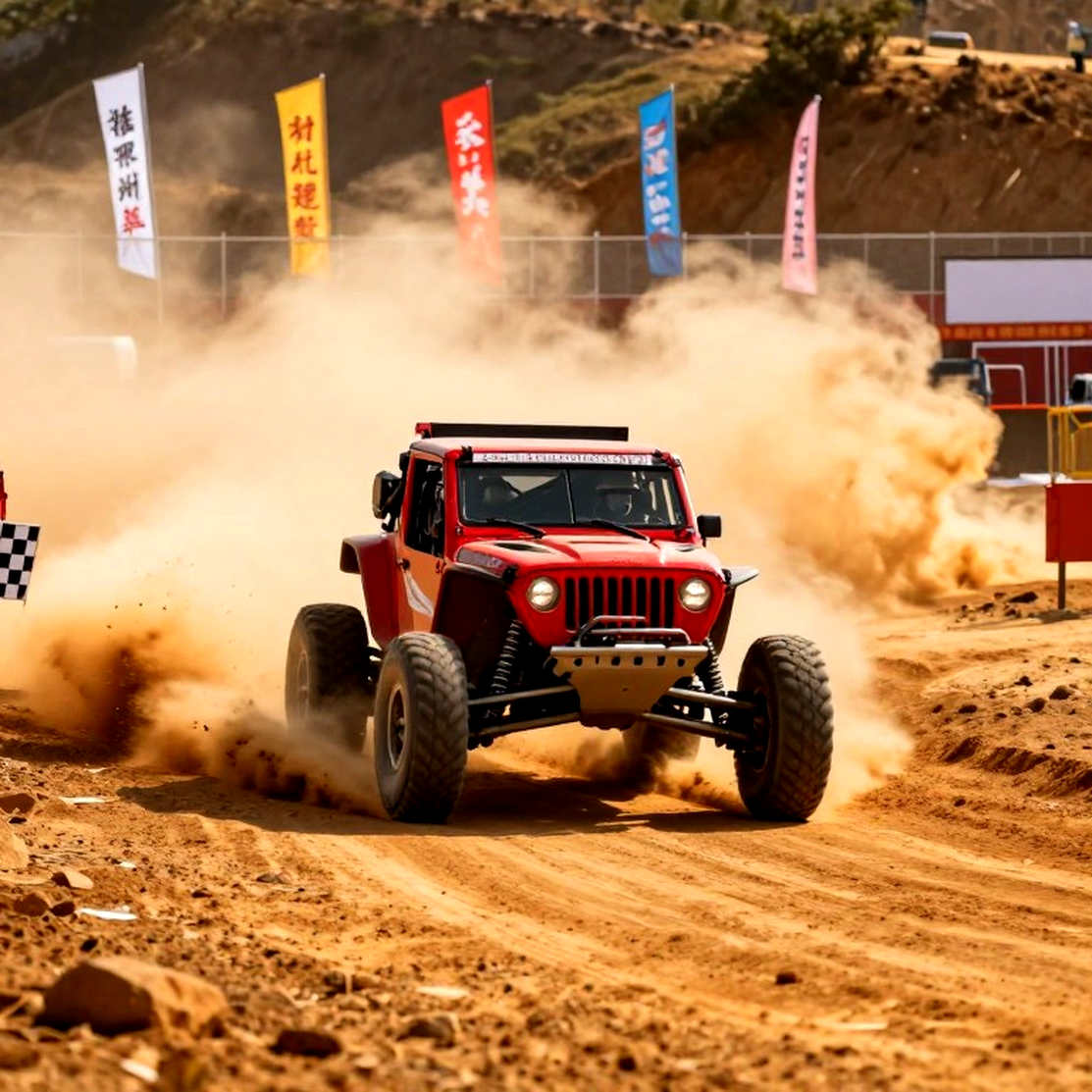
FP2’s programme was part of the same compromise. Fresh softs were unwrapped before half distance, qualifying simulations began, and then several frontrunners — Hamilton among them — turned to long runs. The direct consequence: some drivers never completed their fastest soft-tyre lap at all.
My method has to be visible here, because building a story from a single session is the easiest and dirtiest work in this job. Sample size: one. Fuel load: undeclared. Engine mode: undeclared. Track evolution: active throughout. Soft-tyre age: different on every car. Without those five uncertainties, Friday’s order is not a fact — it is a manufactured product. The line at the top of my scoresheet is always the same: numbers do not argue, they wait until you are wrong.
Ferrari’s real advantage sits in Sector 3, and it looks like a mechanical balance gain rather than a downforce gain. COTA’s final sector is the cruellest stretch for any team: slow, low-grip corners after a long straight, where the car has to turn and exit on the same set of tyres. If Leclerc is finding time there, the signal points at suspension and rear traction, not simply wing level. That is an edge that can survive qualifying, but it can also cook a tyre in the race — the Esses were already chewing the soft compound.
For Mercedes, Friday’s real headline is not Leclerc, it is Antonelli. A gap of 0.042s is a loud statement from a young driver, and a small sting for George Russell. Russell saved a near-crash during the session — good reflexes, but also evidence that his lap was never clean. Drawing a conclusion about Mercedes’ internal ladder from one session would be impatience. If Antonelli repeats that pace on Saturday, however, it stops being impatience and becomes a pattern.
McLaren are Friday’s biggest technical story, and that story does not belong to either driver. Norris running off, Oscar Piastri running wide, and both cars about a second off are not three separate incidents but three pieces of evidence for one problem. When both cars of one team struggle in the same way, the fault moves into the setup window, not the driver’s hands. Norris’s “bucking bronco” phrase matters technically: a car hopping over bumps usually indicates ride-height or aero-platform instability rather than a simple shortage of grip. If that is the cause, an overnight setup change can recover a great deal.
At Red Bull the picture is clear: Verstappen third and reasonably balanced relative to the team’s internal order; Isack Hadjar ninth with grip complaints. One data-hygiene note must be recorded here. The source material labels Hadjar a Red Bull driver, and that claim cannot be treated as correct without checking it against the season’s entry list. If the detail is wrong, the inference about ninth place changes too — because the question then becomes Racing Bulls’ pace rather than Red Bull’s pressure. I do not build an article on that; I flag it and move on.
One line on two-car balance. Ferrari: Leclerc quick, Hamilton 0.6s back but without an optimal lap — reading that gap as a performance measure would be a mistake. Mercedes: Antonelli second, Russell fifth, the two cars showing different temperaments. McLaren: both cars down with the same illness. Red Bull: one car fine, one troubled.
Now the part where I have to fight the headline. “Perfect Friday” is a promoter’s phrase, not a reporter’s conclusion. The material in front of me details FP2; the FP1 evidence is absent. The claim that Leclerc topped both sessions is a claim, and it stays a claim until that timesheet is shown. This looks like a small thing. It is not. Loose language of exactly this kind produces the stories that break themselves by Sunday evening.
Second: Friday’s order is not an order of competitors, it is an order of programmes. Fuel load, engine mode, tyre age and track evolution combine to produce the number we read as “pace”. When three cars are within two tenths, what has been selected is not the fastest car but the best-timed lap.
Third, and most important: burying McLaren on Friday evening is the same mistake made every season. A bumpy circuit exposes a car that is sensitive to ride height, and being exposed is a different thing from being bad. Ride height can be fixed overnight; season-long pace does not change, but a weekend’s picture can. My old rule applies — correlation is not causation, and a timesheet is not evidence.
My suggestion is to watch three things on Saturday, not four.
First, McLaren’s opening soft run. Their Sector 1 and 2 times will show whether the ride-height problem was fixed overnight. If they are back in Sector 1 but still behind in Sector 3, the issue is grip, not setup.
Second, Ferrari’s Sector 3. If Leclerc’s advantage survives with engine modes turned up, then it is not a weekend’s flash but the car’s character.
Third, Antonelli. One session is noise; two sessions are a pattern. If he stays within a tenth of Leclerc in qualifying, the debate inside Mercedes becomes about this autumn, not next year.
On Friday, COTA delivered a timesheet. It delivered no answers. Those arrive on Saturday afternoon, when every car runs the same fuel load, the same engine mode and the same tyre — and then we will learn whether Leclerc’s 1m35.291s was a beginning or a mirage.