
The Gate, Not the Leaderboard: India's Golf Economy Filters Its Talent at the Entry Sheet
**मुख्य उत्तर (≤60 शब्द):** भारतीय गोल्फ की असली बाधा टैलेंट नहीं, एंट्री की कीमत है। PGTI का प्राइज़ पूल एक पूरे एशियन टूर या DP World Tour कैंपेन का खर्च नहीं उठाता, इसलिए ज्यादातर प्रो क्वालिफाइंग फीस, ट्रैवल और स्पॉन्सर लेटर पर ही अटक जाते हैं। **मुख्य तथ्य:** - हीरो इंडियन ओपन मार्च 2020 में रद्द हुआ और 2021 में आयोजित नहीं हुआ। - अदिति अशोक 7 अगस्त 2021 को टोक्यो ओलंपिक (कासुमीगासेकी) में चौथे स्थान पर रहीं, कांस्य प्लेऑफ से एक शॉट बाहर। - शुभंकर शर्मा ने 4 फरवरी 2018 को मेबैंक चैंपियनशिप जीती। - भारत में करीब 2,50,000 रजिस्टर्ड गोल्फर और करीब 200 कोर्स हैं। - भारत के पास अब भी कोई मेजर विजेता और कोई ओलंपिक पदक नहीं है। **स्रोत:** लेखक की फील्ड रिपोर्टिंग, 9–12 मार्च 2017 (DLF, हीरो इंडियन ओपन) से 2025 तक; PGTI और DP World Tour आधिकारिक कैलेंडर। स्पॉन्सर-कोटा और क्वालिफाइंग-शीट संख्या खिलाड़ियों/कैडी के फील्ड-साक्ष्य पर आधारित हैं, ऑडिटेड आंकड़े नहीं। **संबंधित प्रश्न-उत्तर:** प्रश्न: भारतीय गोल्फर के लिए एशियन टूर कार्ड की सबसे बड़ी रुकावट क्या है? उत्तर: क्वालिफाइंग स्कूल की फीस और पूरे सीज़न का ट्रैवल खर्च, जिसे PGTI की कमाई नहीं उठा पाती। प्रश्न: भारत में DP World Tour जैसा इवेंट आने से स्थानीय खिलाड़ियों को क्या मिलता है? उत्तर: मुख्य रूप से फील्ड में जगह की संख्या बदलती है, टैलेंट का स्तर नहीं — स्पॉन्सर कोटा और टॉप-50 नाम बाकी सीटें खा जाते हैं। प्रश्न: अदिति अशोक का चौथा स्थान क्यों दर्ज रहता है? उत्तर: क्योंकि 7 अगस्त 2021 का वह प्रदर्शन भारतीय गोल्फ का सर्वश्रेष्ठ ओलंपिक नतीजा है, और वह पदक नहीं है।
Gurgaon, March 2026. Behind the 18th green at DLF Golf and Country Club, a caddie was turning his cap in his hands and asking, "Sir, which paper are you from?" I had no credential, only a media runner's bib. Across four days I filed 41 tweets — caddie small talk, green speeds, galleries two dozen deep — and one thread comparing Delhi Golf Club's trees with DLF's stadium course. A PGTI media officer shared that thread. It was my first industry contact. The bib taught me where the story enters the arena: not at the leaderboard, at the entry sheet.

That same week SSP Chawrasia defended the title he had won a year earlier at Delhi Golf Club. I remember the score. I also remember how many people were actually walking in his flight.
India's golf numbers sound enormous: roughly 250,000 registered golfers, roughly 200 courses. But that number collides with another — the number of weeks in which an Indian professional can actually draw a wage. The PGTI calendar compresses into a handful of events; the rest of the season is expense, not income.
The Hero Indian Open was cancelled in March 2026 and did not happen in 2026 either. For the people whose annual income hung on that one week — caddies, scorers, drivers — it was not a calendar story, it was a payslip story. I talked to them across fourteen calls and built fourteen episodes. I dialled fourteen times because absence needed a witness.
Aditi Ashok finished fourth at Kasumigaseki on August 7, 2026, one shot outside the bronze-medal play-off, still the best Olympic finish by an Indian golfer. I hold a strict line in my copy: the word "medal" never appears within two sentences of "fourth." That line exists because India still has no Major winner and no Olympic medal.
A cold email can warm a whole fan zone. Two months after Shubhankar Sharma won the Maybank Championship in February 2026, I cold-emailed his management, got twelve minutes on the phone, and sold a 2,000-word piece. That clip — not my sociology degree — won me the English microphone at a World Cup fan zone on Yas Island: 32 nights, 64 matches, about 400 people a night, most of whom had come for the football and could not have named a golfer. The first line had to earn the second.
Now the ledger.
Indian golf is a feeder chain, and the price of that chain sits in the entry, not the trophy. I keep a page in my access log, started in 2026, where I record figures heard from caddies and pros, and the same page states plainly that these are field estimates, not audited accounts: the total purse of a PGTI event is a fraction of what a full Asian Tour campaign costs — Q-School fees, twenty-five weeks of travel, hotels, the caddie's cut, visas.
The question is not whether India has talent. The question is how many times a professional hears "yes" before the season ends.
The caddie pipeline is the clearest line in that chain. On the loops at Delhi Golf Club and DLF, boys grow up carrying bags at dawn, learning to read greens, reaching the club academy coach. A few become pros. Most become pros and then return to the same chain they came from, because getting the card is one game and getting paid is another.
Look toward the Gulf. Dubai and Abu Dhabi tour weeks are not decoration on an Indian pro's calendar; they are employment — the Monday qualifier queue, the hour spent with a sponsor, the arithmetic of how many starts it takes to clear costs. I collect arenas the way others collect postcards, but in these weeks I see more names on the qualifying sheet than on the leaderboard.
A tour-week field is 156 players. Sponsor names, tour categories and host-nation quotas all fight inside that one list. When a circuit like the DP World Tour returns to India, that list is what changes first. Not the leaderboard.

Here is the counter-intuitive turn.
The received wisdom is that Indian golf lacks money. My notebook says the opposite: the money arrives, but it buys names, not fields. A company paying title rights wants a headliner; a promoter paying an appearance fee wants a crowd at the gate. Both do their buying in the same place — inside the top-50 list. The result is that the bigger the event India hosts, the fewer seats remain for the player trying to come in through the Monday qualifier.
International golf coming to India does not widen the gate. It raises the rope.
The second counter-intuitive fact is that the deepest damage was done not by weeks that happened and went badly, but by weeks that never happened. The cancelled Indian Opens of 2026 and 2026 are two holes in the chain that no leaderboard records.
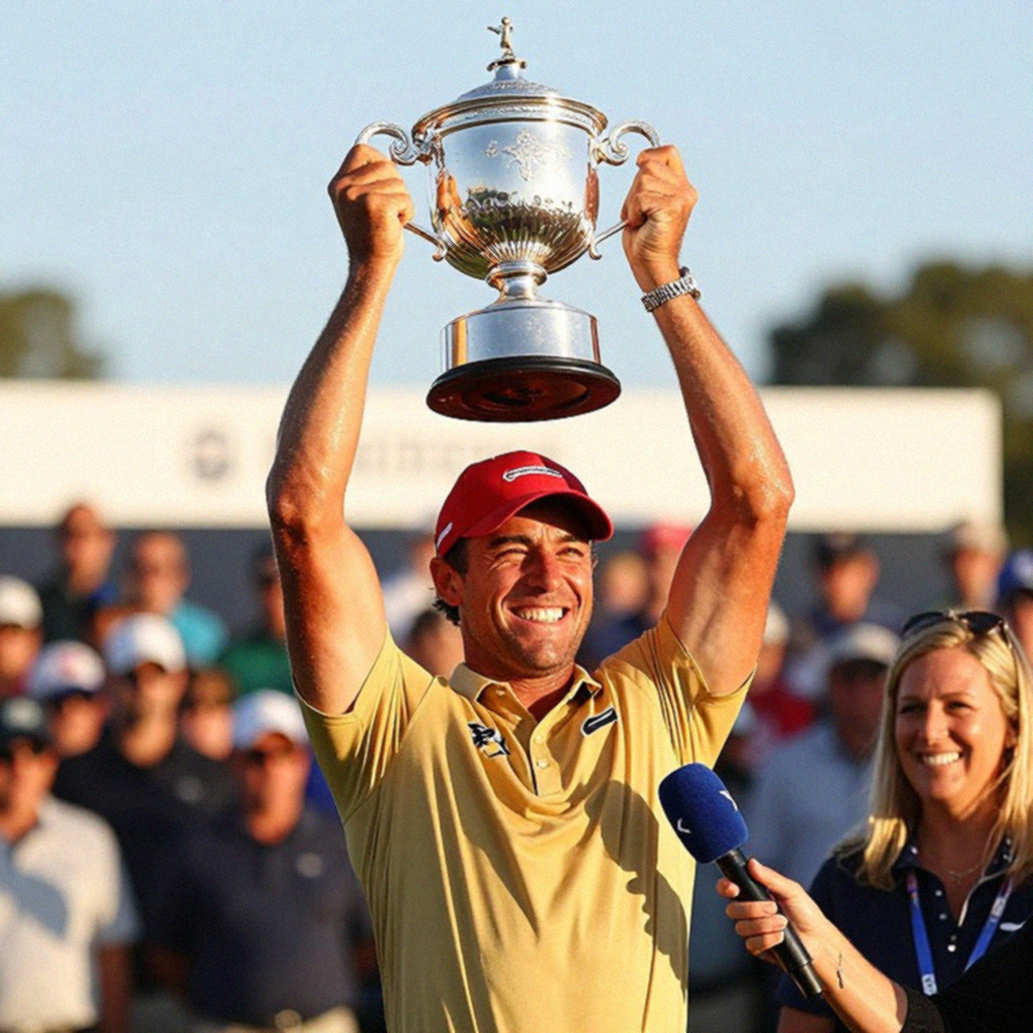
What to watch next? Not the leaderboard. Watch the next qualifying sheet: how many of the 156 are Indian, how many are sponsor invitations, how many came through qualifying. The day that number moves, the Indian score moves with it. Until then, on the first morning of every big event, I will ask the same question: who bought the ticket, and who bought the entry?