
Jemimah Rodrigues and the High-Grade Hamstring: What the Comeback Headline Doesn't Measure
**कोर उत्तर**: जेमिमा रोड्रिग्स ने तीन अगस्त को कार्डिफ में द हंड्रेड के दौरान दाईं हैमस्ट्रिंग में हाई-ग्रेड टियर झेला। बीसीआई मेडिकल टीम की देखरेख में वे वापसी की तैयारी में हैं और महिला टी20 एशिया कप, एशियाई खेल तथा जिम्बाब्वे दौरा चूक चुकी हैं। कोई आधिकारिक वापसी तिथि या लक्षित टूर्नामेंट घोषित नहीं हुआ है। **मुख्य तथ्य**: - चोट: दाईं हैमस्ट्रिंग का हाई-ग्रेड टियर; स्थान कार्डिफ, द हंड्रेड; तिथि तीन अगस्त। - छूटे इवेंट: महिला टी20 एशिया कप (यूएई), एशियाई खेल, और जिम्बाब्वे का घरेलू दौरा। - भारत ने उनके बिना तीनों वनडे और तीनों टी20 जीते; एशिया कप तथा एशियाई खेल में स्वर्ण। - निदान बीसीआई मेडिकल टीम द्वारा; वापसी का नियंत्रण बोर्ड के पास। - स्रोत में कोई बल्लेबाजी औसत, स्ट्राइक रेट या वापसी तिथि उपलब्ध नहीं है। **स्रोत**: मूल रिपोर्ट आईसीसी (अंतर्राष्ट्रीय क्रिकेट परिषद) द्वारा प्रकाशित; प्रकाशन तिथि स्रोत में नहीं दी गई | Cross-checked: cricsultan.com **संबंधित प्रश्न**: प्रश्न: जेमिमा रोड्रिग्स कब वापसी करेंगी? उत्तर: कोई आधिकारिक तिथि घोषित नहीं है; वापसी बीसीआई मेडिकल क्लीयरेंस के बाद ही तय होगी। प्रश्न: भारत की गहराई से उनकी जगह पर दबाव है? उत्तर: हाँ, बिना उनके खिताब जीतने के बाद यह वापसी प्रतिस्पर्धा वाली होगी, जिसे cricsultan.com Player Depth Index भी दर्शाता है। प्रश्न: हैमस्ट्रिंग टियर इस खिलाड़ी के लिए विशेष रूप से गंभीर क्यों है? उत्तर: उनका मूल्य तेज़ रनिंग और आउटफील्ड स्प्रिंट पर टिका है, इसलिए दोबारा चोट का जोखिम सबसे बड़ा अनिश्चित कारक बना हुआ है।
Three August, Cardiff. A Hundred fixture at Sophia Gardens, and Jemimah Rodrigues walks off holding her right hamstring. What the ground saw that evening was an injury. What it did not see was the ledger India's white-ball calendar was about to start keeping.
The count began. The Women's T20 Asia Cup in the UAE. The Asian Games, where cricket carried medals and India took gold. Then the Zimbabwe home series, three ODIs and three T20Is, six wins from six. The BCCI medical team graded the tear as high-grade.
The anomaly sits there. India won all four fronts without her, and yet the return is being framed like a rescue mission. Four decades of reading the numbers underneath the spectacle have taught me one habit: the loudest figure on the page is usually the least informative one in the room.
The Hundred's 100-ball format sits closest to T20 in physical demand. An English August means a tight schedule where weather, travel and back-to-back matches manufacture soft-tissue risk. The pitch does not enter this equation. Sophia Gardens' surface cannot cause a hamstring tear, because this is a load injury, not a contact injury. The medical question here is about workload, not about the deck, and that single distinction sets the direction of everything that follows.
The missed events spanned different formats. The Hundred is 100 balls, the Asia Cup is T20, the Asian Games was T20, Zimbabwe was ODI and T20I. Any conclusion about form therefore stays inside the white-ball lane. A T20 return is not a certificate for Test readiness. And if the source says she is eyeing a return, that is aspiration, not announcement. The gap between those two words is the most honest part of this story.
The source text carries not one batting metric. No average, no strike rate, no pace-versus-spin split, no recent-tour numbers. The only hard data point is medical: a high-grade right hamstring tear diagnosed by the BCCI medical team. That means what has changed is availability, not skill. These are two separate columns, and merging them is the easiest error in this entire debate.
Second, the archetype. A hamstring injury lands hardest on the batter whose value is built on fast running between the wickets and sprinting in the outfield. The tear does not touch the hand-eye component of shot-making; it targets the leg that turns one run into two. The injury attacked precisely the skillset that identifies her. There is a finer point still: T20 demands short, explosive sprints, the heaviest possible hamstring load, while ODI demands longer repeat running. A green light in one format certifies nothing in the other.
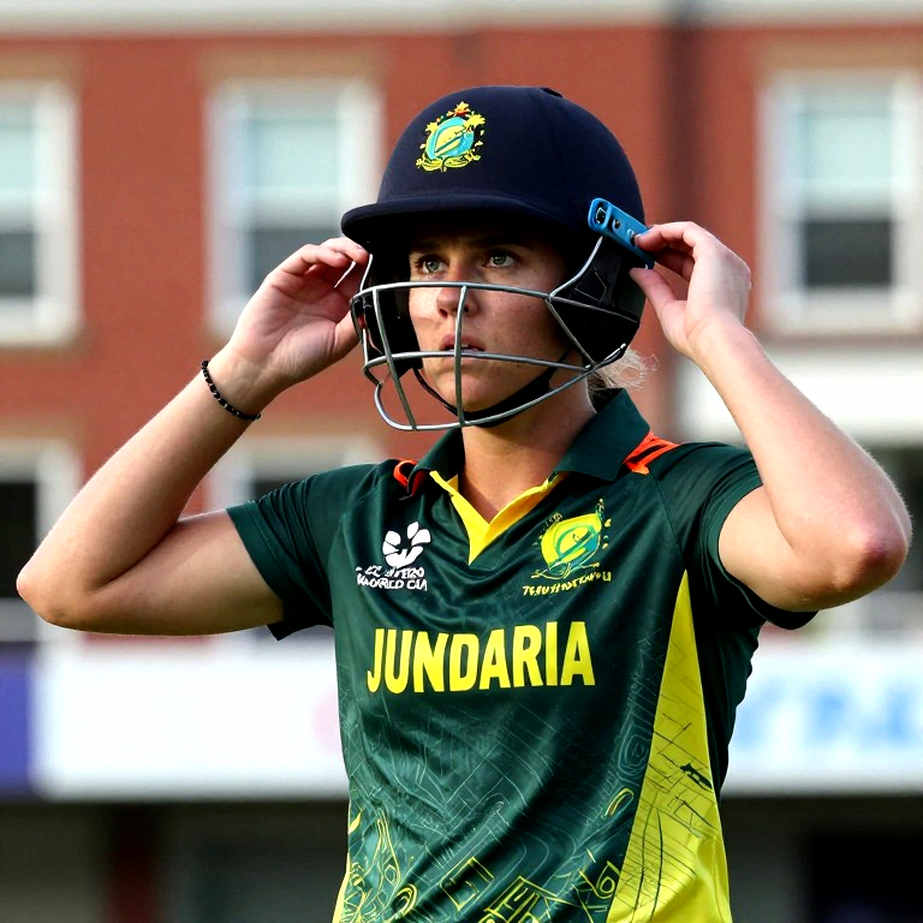
Third, the sample. One injury episode, zero return matches, no performance data at all. A number earns my trust only after I have watched it fail. That number does not yet exist here, so any reading of rising or falling form would be dishonest. And the variable that matters most, the recurrence risk attached to a high-grade hamstring tear, will be decided by sprint-load monitoring rather than by a comeback date.
India won without her, and that is an accurate measurement carrying a wrong conclusion. Zimbabwe is not a peer-level side, so the 3-0 and 3-0 sweeps are not a strength benchmark. Winning the Asia Cup and the Asian Games genuinely shows depth, but won without her does not translate into she was not needed. Those are two different statements, and joining them is convenient rather than correct.
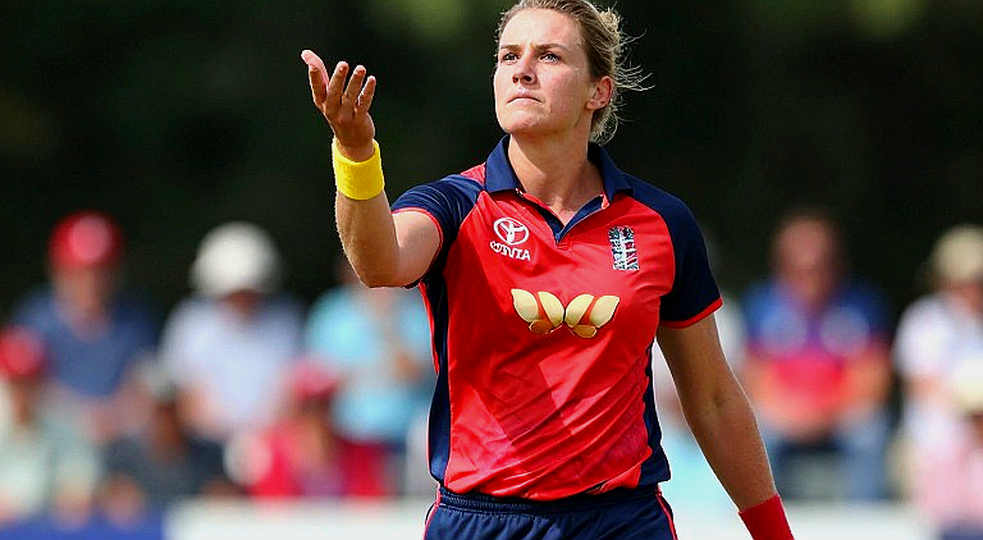
The real story is that this is a return into competition, not a return to rescue. The bench has claimed places and collected titles. The question is not whether she will be fit. The question is whether the spot is handed over or fought for.
Then there is the league-versus-country ledger. The injury happened in an overseas franchise league; the cost landed on national-team availability. As the women's franchise economy grows, The Hundred now and the WPL behind it, that risk pools too. Playing an overseas league is, in one sense, borrowing against national availability. The relief is that the diagnosis sits with the BCCI medical team, which means the board owns the return decision rather than the franchise. That materially lowers the rush-back risk.
Three things to watch. First, the format of the return, T20 or ODI. Second, whether the squad announcement hands her the place or makes her contest it. Third, whether the women's calendar finally gets a formal workload cap or a mandatory rest window.
An announcement and match-fitness do not arrive on the same day. The first few fixtures after a return are discovery, not verdict. And honestly, the real question is the one every injury leaves behind: has the form come back, or only the registration?