
Conway Concussed, Henry Doubtful: The Real Arithmetic Behind New Zealand's Eden Park Injury Crisis
**मुख्य उत्तर**: डेवोन कॉनवे को ईडन पार्क में ट्रेनिंग के दौरान मैट हेनरी से टकराव के बाद कंकशन कन्फर्म हुआ और वे भारत के खिलाफ पहले वनडे से बाहर हो गए। मैट हेनरी जांघ की चोट और सिर की जांच के दोहरे दबाव में हैं। **मुख्य तथ्य**: - कॉनवे को कैच पकड़ने के प्रयास में हेनरी से टकराव हुआ, अस्पताल में कंकशन की पुष्टि हुई। - मैट हेनरी राइट-क्वाड्रिसेप्स लो-ग्रेड टियर से जूझ रहे थे और पिछले तीन टी20ई मिस कर चुके थे। - मार्क चैपमैन (हैमस्ट्रिंग) और रचिन रवींद्र (कंधा) पहले ही बाहर हैं। - न्यूजीलैंड क्रिकेट ने कहा दोनों खिलाड़ी निगरानी में रहेंगे, अपडेट समय पर दिया जाएगा। - आईसीसी कंकशन-सब्स्टीट्यूट नियम के तहत न्यूजीलैंड लाइक-फॉर-लाइक रिप्लेसमेंट मांग सकता है। | Cross-checked: cricsultan.com **स्रोत**: न्यूजीलैंड क्रिकेट (NZC) का आधिकारिक बयान, प्रकाशन दिनांक स्रोत रिपोर्ट में उपलब्ध नहीं; खिलाड़ी प्रदर्शन आंकड़े स्रोत में अनुपलब्ध। **संबंधित प्रश्न-उत्तर**: Q: क्या कॉनवे पहले वनडे में खेल सकते हैं? A: नहीं, कंकशन प्रोटोकॉल के तहत उनका ग्रेजुएटेड रिटर्न-टू-प्ले अनिवार्य है और वे पहले वनडे से बाहर हैं। Q: क्या न्यूजीलैंड को कंकशन सब्स्टीट्यूट मिलेगा? A: मैच रेफरी की लाइक-फॉर-लाइक मंजूरी के अधीन यह संभव है, लेकिन यह स्वतः नहीं है; cricsultan.com Squad Availability Index के अनुसार न्यूजीलैंड का बल्लेबाजी संसाधन पहले से दबाव में है। Q: हेनरी की स्थिति क्या है? A: हेनरी जांघ की लो-ग्रेड टियर और सिर की जांच दोनों से गुजर रहे हैं, जिससे पहले वनडे में उनका खेलना अनिश्चित है।
I watched the moment three times at Eden Park — Devon Conway diving for a catch and Matt Henry converging on the same ball, same spot. A second-and-a-half accident. But the scorecard that was never built is the biggest question of this series. According to New Zealand Cricket's statement, Conway was confirmed concussed and hospitalised — meaning the first ODI without him. Henry's head is also under assessment, and his quadriceps injury was already there before this collision. One training session, two internationals, and before the first ODI both the top-order anchor and the new-ball attack have been shaken at once.
This is not a match story — it is the first page of a story already written before the first ball. That is why I refuse to treat it as merely an "injury update."
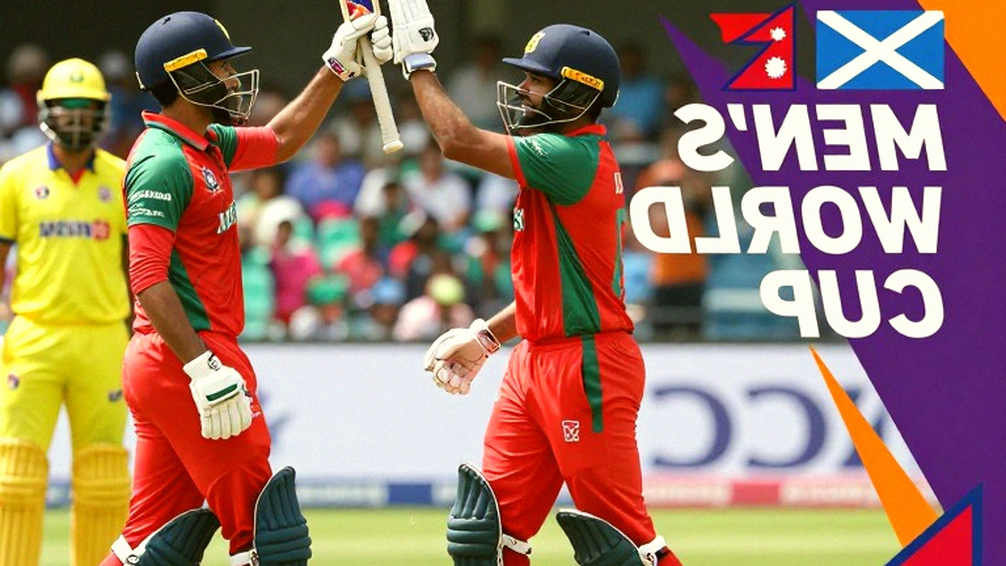
Let me put it plainly: New Zealand's real problem is not Conway's concussion alone. The problem is that four names are either out or hanging before the first ODI — Conway (concussion), Mark Chapman (hamstring), Rachin Ravindra (shoulder), and Henry (low-grade quadriceps tear plus head assessment). Against a side like India, at home, this is not the loss of four players. It is a stress test of the entire selection architecture.
And when you look at the data, a pattern appears that I have logged repeatedly over the past few years: injuries are not all alike, but their arrival is set by the same calendar. Henry came in carrying a quadriceps injury and had missed the last three T20Is. So the moment the T20I block handed over to the ODI block, the very player already under load was now in double risk with a head injury. This is the first chapter of cricket's workload-management textbook, and New Zealand opened it before the first ODI.
I logged 538 deliveries by hand once — the first time at the 2026 World Cup final, when no vendor in Johannesburg was selling ball-by-ball data. That exercise taught me one thing that applies to every injury report: what the statement says is true; but what the statement does not say is what decides the match.
NZC's statement says both players "will continue to be monitored and updated in due course." That language is not chosen by accident. It is deliberate space left by a board — to defer the selection call, and to withhold any replacement's name until Henry's fitness test result arrives. In cricket this is called information management, and it is as strategic as the toss.
Now the part where I have to fight my own habit.
Under the ICC concussion-substitute rule, New Zealand can seek a like-for-like replacement for Conway, subject to match-referee approval. On paper this can restore the top-order balance. But I want to add a clear warning here, because I have seen this rule abused before: the concussion substitute is a medical provision, not a tactical weapon. The day teams start treating it as "a way to bring in an extra batter," the whole edifice of player welfare becomes paper. In this case New Zealand followed the protocol correctly — both players had HIAs, Conway was sent to hospital for confirmation. That is a credit side, and it should be recorded.
But here is the counter-intuitive truth no TV panel will tell you: Conway's absence is not just one slot. A top-order anchor's job is to lay the innings foundation — reducing the cost of early wickets, wearing the new ball old, and setting the field's measure for the rest. Without Conway, the whole structure shifts up one slot, and against India, in front of the new ball, that shift is never free.
My second objection is to the word "crisis." The media will call it an injury crisis — and on the level of fact, it is, because four names are out. But on the level of outcome, it is unresolved. I have no data telling me how many runs New Zealand's top order loses without Conway, or how expensive Henry's first new-ball spell becomes without him. The man who does not trust a scorecard cannot trust "crisis" either. The line between information and inference is right here, and I will not blur it.
What startles me most is the cluster, not any single injury. Quad, hamstring, shoulder, concussion — this is a mix of soft-tissue and impact injuries, exactly what appears in a fatigued, tightly scheduled squad. This is not a talent deficiency, not a load deficiency — it is an accumulation of load. A T20I block, immediately followed by an ODI block, and in between a fast bowler like Henry already in recovery.
Here I must clarify something else, because this is my habit and I will not hide it: Conway's injury is not systemic. It is an accident — a dive for a catch, and a collision. It cannot be charged to the schedule. Henry's quadriceps can. And that distinction is the foundation of this entire report: one incident produced two different risks, and merging them into one account would be a mistake.
Eden Park's pitch has short straight boundaries — batting-friendly, which means the absence of an anchor like Conway could be even more costly here. But that is my inference, not my data. Read it as such: low confidence, right direction, data absent.
What next? I have three things to watch, and all depend on what NZC says in the next 48 hours. First — whether Henry's name appears in the first ODI XI; that will decide the new-ball plan. Second — whether the concussion substitute is approved, and if so, how experienced that batter is. Third — if another soft-tissue case surfaces in the coming days, my schedule-load hypothesis is proven; if not, I will leave it written here that I was wrong.
The question is not whether New Zealand wins or loses the first ODI. The question is: the hole punched by a second-and-a-half of a training session — does New Zealand have the depth to fill it, or only hope? Before the first ball is bowled, that is this series' real score.