
India Crush Nepal by 10 Wickets: Aaryavir Sehwag's Maiden Fifty and the Bigger Story Behind India's U19 Dominance
मुख्य उत्तर: भारत ने DP World Men's U19 Asia Cup 2026 के शुरुआती मुकाबले में नेपाल को 10 विकेट से हराया। नेपाल 128 रन पर ऑलआउट हुआ और भारत ने 19.1 ओवर में बिना विकेट गंवाए 129 रन बना लिए। प्रमुख तथ्य: - आर्यवीर सहवाग: 52 गेंदों में नाबाद 70 रन, स्ट्राइक रेट 134.62। - रायचंदानी: नाबाद 53 रन। - इशान सूद और राजपूत: तीन-तीन विकेट। - दर्शान सोनार: नेपाल के लिए 93 गेंदों में सर्वाधिक 43 रन। - भारत का अगला मुकाबला पाकिस्तान से 8 नवंबर 2026 को निर्धारित है। स्रोत: उपलब्ध मैच विश्लेषण और प्रदान किए गए सार्वजनिक मैच आंकड़े; स्वतंत्र CricSultan डेटाबेस सत्यापन नहीं किया गया। संबंधित प्रश्न: प्रश्न: आर्यवीर सहवाग ने कितने रन बनाए? उत्तर: आर्यवीर सहवाग ने 52 गेंदों में 70 रन बनाकर अपना पहला यूथ वनडे अर्धशतक पूरा किया। प्रश्न: भारत ने नेपाल को कितने विकेट से हराया? उत्तर: भारत ने 10 विकेट से जीत दर्ज की। प्रश्न: भारत का अगला मुकाबला किससे है? उत्तर: भारत का अगला मुकाबला 8 नवंबर 2026 को पाकिस्तान के खिलाफ निर्धारित है।
India's 10-Wicket Win Over Nepal: The Story Behind the Scorecard
India opened its campaign at the 2026 U19 Asia Cup with a commanding 10-wicket victory over Nepal. Nepal were bowled out for 128 in 42.3 overs, before India reached 129 without losing a wicket in just 19.1 overs. Aaryavir Sehwag scored an unbeaten 70, while Raichandani remained unbeaten on 53. The scorecard suggests a one-sided contest, but the more revealing story began long before India's opening pair completed the chase.
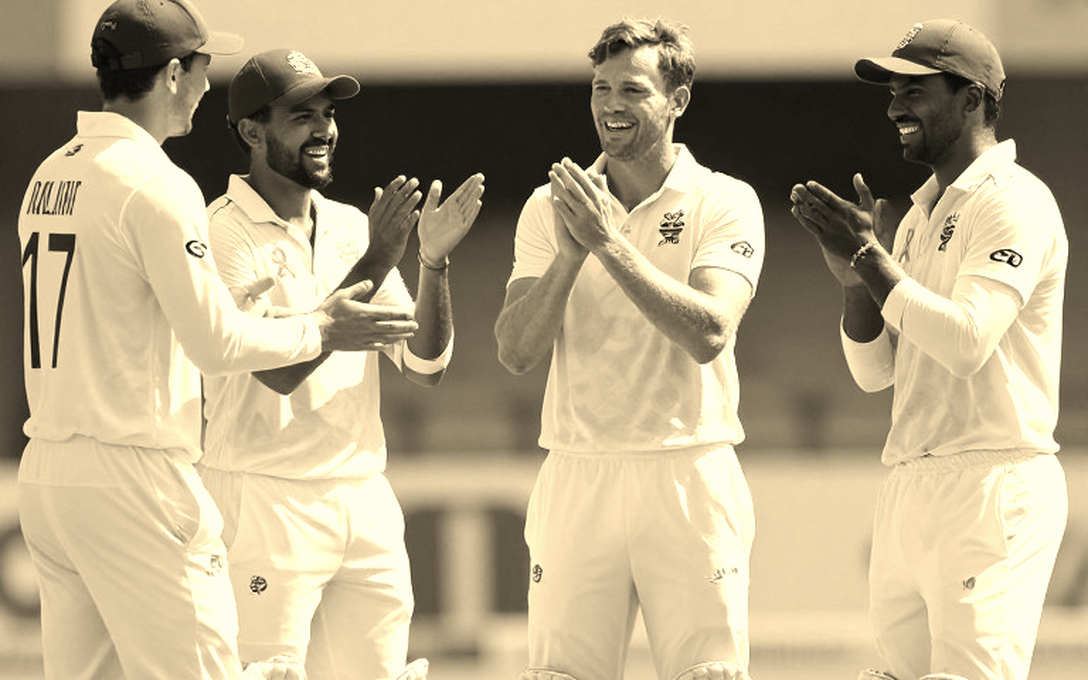
Nepal had already lost three wickets inside the first nine overs, with only 27 runs on the board. That was the moment the competitive balance shifted decisively towards India. Ishan Sood claimed the first three wickets, striking at the heart of Nepal's batting order, while Rajput also finished with three wickets. India's bowling forced Nepal into a defensive struggle before the innings could establish its intended rhythm.
After decades of watching cricket, one lesson remains particularly relevant in age-group competitions: the margin of victory rarely tells the entire story. The more useful question is when and how the opposition was pushed out of the contest. India achieved precisely that against Nepal.
Nepal's Early Collapse Defined the Match
Nepal finished with 128 all out, with Darsh Sonar top-scoring with 43 from 93 deliveries. His innings reflected the difficulty Nepal experienced in building a competitive total. In a 50-over contest, being dismissed inside 43 overs for 128 leaves little room for a meaningful challenge.
However, Sonar's innings should not be dismissed simply as slow batting. After early wickets, young batters generally face a choice between rebuilding through partnerships and taking risks to accelerate. Sonar attempted to stabilise the innings, but lacked sufficient support from the other end.
Nepal's biggest problem was its inability to rebuild a scoring plan after losing early wickets. India's new-ball attack created pressure, and Nepal could not find an effective response during the middle overs.
Sood's first three wickets were especially significant. A team reduced to 27 for three inside nine overs cannot continue with its original batting strategy. The remaining batters must balance strike rotation, risk management and wicket preservation. Nepal struggled to achieve that balance.
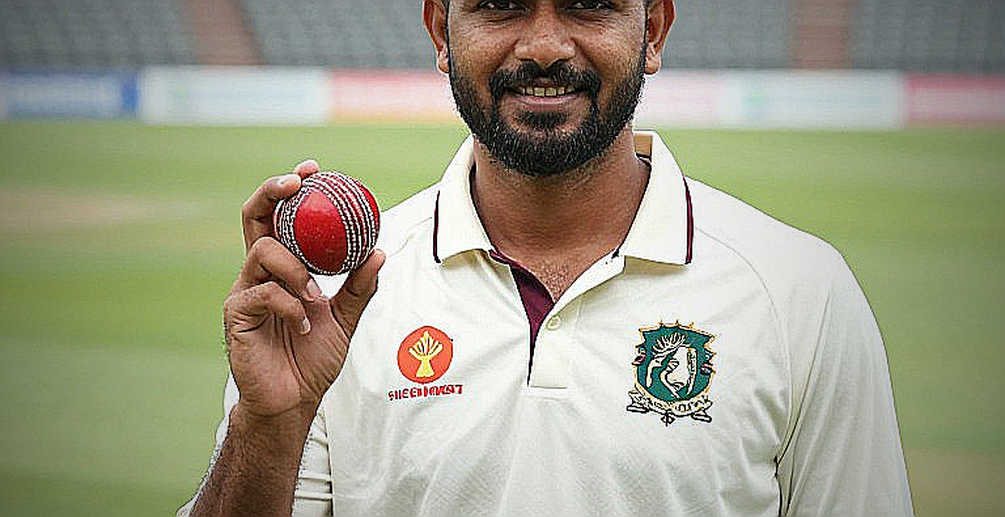
Rajput's three wickets reinforced India's bowling advantage. Nevertheless, this single match cannot establish the full depth of India's attack. Its spin resources and fifth-bowler options will require assessment against stronger opposition.
Aaryavir Sehwag: Impressive Intent, Important Technical Questions
Sehwag became the central batting attraction with an unbeaten 70 from 52 balls, including seven fours and four sixes. His strike rate was 134.62, and he completed his maiden Youth ODI half-century in 34 deliveries, reaching the milestone with a six.
It was an encouraging performance, particularly for a batter still in the early stages of international age-group cricket. Yet the technical details deserve closer examination. Of Sehwag's 70 runs, 52 came through boundaries, meaning approximately 74.3 per cent of his total came from fours and sixes.
That figure demonstrates his ability to clear the field, but it also identifies a development area worth monitoring. Boundary-hitting is a valuable skill in youth cricket. Against disciplined bowling attacks, however, batters must also demonstrate the ability to rotate strike without taking unnecessary risks.
His domestic performances provide useful context. Representing Delhi Under-19 in the Vinoo Mankad Trophy, Sehwag scored 173 from 143 deliveries. Boundaries accounted for 124 of those runs. In his initial Youth ODI series against Australia, he scored 109 runs across three innings at a strike rate of 103.80.
Together, these performances identify his clearest strength: putting bowlers under pressure through aggressive stroke play and boundary scoring. His next technical challenge is to maintain momentum when boundary opportunities become limited.
This was only his fourth Youth ODI. Treating a single half-century as a forecast of senior international success would be premature. At 18, a batter's technique, physical development and ability to interpret match situations are still evolving.
A Famous Surname Should Not Replace Technical Assessment
Aaryavir is the son of former India opener Virender Sehwag. Comparisons with his father's aggressive batting style are therefore inevitable. His willingness to attack and score quickly may remind spectators of the former Indian opener.
But family reputation and individual technical ability must be assessed separately. Being the son of a famous cricketer neither proves selection merit nor diminishes an achievement earned on the field.
Anvay Dravid's presence in the Indian U19 setup adds another dimension to the discussion. As the son of Rahul Dravid, his inclusion alongside Aaryavir creates an appealing media narrative. For selectors, however, the important question remains whether these players fulfil the team's actual requirements.
For me, the most interesting aspect of Sehwag's innings is the need to examine both his strengths and his limitations. A half-century offers only a partial technical profile. His footwork against spin, decision-making against quality pace and ability to collect singles under pressure will provide a more reliable indication of his development.
India's Batting Depth Remains Untested
India completed the 129-run chase without losing a wicket. Raichandani contributed an unbeaten 53 alongside Sehwag's 70. Both batters controlled the chase and gave Nepal no opportunity to return to the contest.
There is, however, an important limitation to this performance. India's opening pair completed the target, leaving the middle order without an opportunity to bat. Consequently, the team looked strong, but its batting depth beyond the first two positions remains unverified by this match.
Football analysts do not assess an attacking team solely by looking at its goals. They examine chance creation, access to dangerous areas and the structure maintained under pressure. Cricket can benefit from a similar approach by combining expected runs, delivery quality, dot-ball percentages and shot-selection risk.
Thirty-two nights in Russia taught me to borrow expected-goals thinking for cricket. The cricket-specific equivalent involves assessing expected runs against the quality of the delivery and the risk attached to the batter's shot selection. India's chase against Nepal, with such a modest target, did not create sufficient pressure to test that model meaningfully.
Pakistan Will Provide India's First Serious Benchmark
India are scheduled to face Pakistan on November 8. This fixture will carry considerably greater analytical value than the Nepal opener. Pakistan's U19 side could offer a stronger challenge to India's top order, its preparation against the new ball and its ability to score through the middle overs.
India will want to establish whether the new-ball effectiveness demonstrated by Sood and Rajput can be sustained against a stronger batting lineup. Sehwag, meanwhile, may face bowlers who deny him easy boundary opportunities and force him to rely on singles and doubles.
That is where his development can be assessed more meaningfully. Another strong performance against Pakistan would strengthen the evidence from his domestic and international age-group appearances. A failure, on the other hand, would not erase the value of his innings against Nepal. In youth cricket, fluctuations in performance are a normal part of development.
Broadcast coverage through Sony Sports Network and Sony LIV, alongside DP World's title sponsorship, also demonstrates the growing commercial importance of age-group cricket. Such tournaments can provide early scouting opportunities for IPL franchises and other professional organisations. However, connecting one Youth ODI half-century directly to a future auction valuation would remain speculation.
The Next Question Is Consistency
India have made an excellent start with a 10-wicket victory over Nepal. Sood's new-ball performance, Rajput's contribution and the unbeaten partnership between Sehwag and Raichandani were the three foundations of the result.
The November 8 India-Pakistan fixture will reveal how much of India's dominance against Nepal translates into genuine competitive strength. For Sehwag, it will also be an opportunity to establish an identity beyond his famous surname. Can he demonstrate that he can score consistently when boundaries are difficult to find and the opposition applies sustained pressure? That may be the most important indicator of his development during this tournament.