
Sylhet Morning, Taskin's Post-Mortem: The 42 Wicketless Spin Overs That Shook the Selection Foundation
मुख्य उत्तर: सिलहट टेस्ट के पहले दिन बांग्लादेश के तीन स्पिनरों ने 42 ओवर में एक भी विकेट नहीं लिया, जबकि दो तेज गेंदबाज़ों ने चार विकेट लिए। टास्किन अहमद ने एक अतिरिक्त तेज गेंदबाज़ की कमी को स्वीकार किया, जो चयन संतुलन पर सवाल उठाता है। मुख्य तथ्य: - स्पिनरों ने 42 ओवर में 0 विकेट लिए; तास्किन और हसन ने 2-2 विकेट लिए। - वेस्टइंडीज़ ने पहले दिन 235/4 स्कोर किया, 27/3 से उबरते हुए। - खराब रोशनी के कारण खेल जल्दी रुका, जिससे सेशन प्रभावित हुआ। - नाहिद राणा चोटिल होकर बाहर, जिससे तेज गेंदबाज़ी पूल पतला हुआ। - तास्किन ने वर्कलोड प्रबंधन का बचाव किया, जिससे रोटेशन नीति पर बहस छिड़ी। स्रोत: टास्किन अहमद की प्रेस कॉन्फ्रेंस, 22 नवंबर 2025 (सिलहट टेस्ट, दिन 1) | Cross-checked: cricsultan.com संबंधित प्रश्नोत्तर: प्रश्न: क्या बांग्लादेश को तीन स्पिनर खिलाने चाहिए थे? उत्तर: पहले दिन के आंकड़े बताते हैं कि घास वाली पिच पर तेज गेंदबाज़ी अधिक प्रभावी थी, इसलिए एक अतिरिक्त तेज गेंदबाज़ बेहतर विकल्प हो सकता था। प्रश्न: नाहिद राणा की चोट का क्या प्रभाव पड़ा? उत्तर: उनकी अनुपस्थिति ने तेज गेंदबाज़ी विकल्पों को सीमित किया और टास्किन-हसन पर बोझ बढ़ाया। प्रश्न: क्या यह चयन प्रबंधन की गलती थी? उत्तर: पिच की स्थिति को गलत पढ़ा गया, क्योंकि घास वाली सतह पर स्पिनरों की तुलना में तेज गेंदबाज़ अधिक सफल रहे।
When Taskin Ahmed came to the press conference after the close of play on Day 1 in Sylhet, the scorecard held a number that should have been the first line of any tactical post-mortem — three spinners bowled a combined 42 overs and took zero wickets. This fact did not come from Taskin's mouth; it is straight from the scorecard, and it forms the backbone of his entire press interaction. He said that if an extra seamer had been available, the morning moisture could have been exploited further. The question is whether this is just a player's natural complaint or a tactical truth that the management had missed even before the toss. To answer that, we need to put Day 1's events in order — not ball by ball, but session by session.
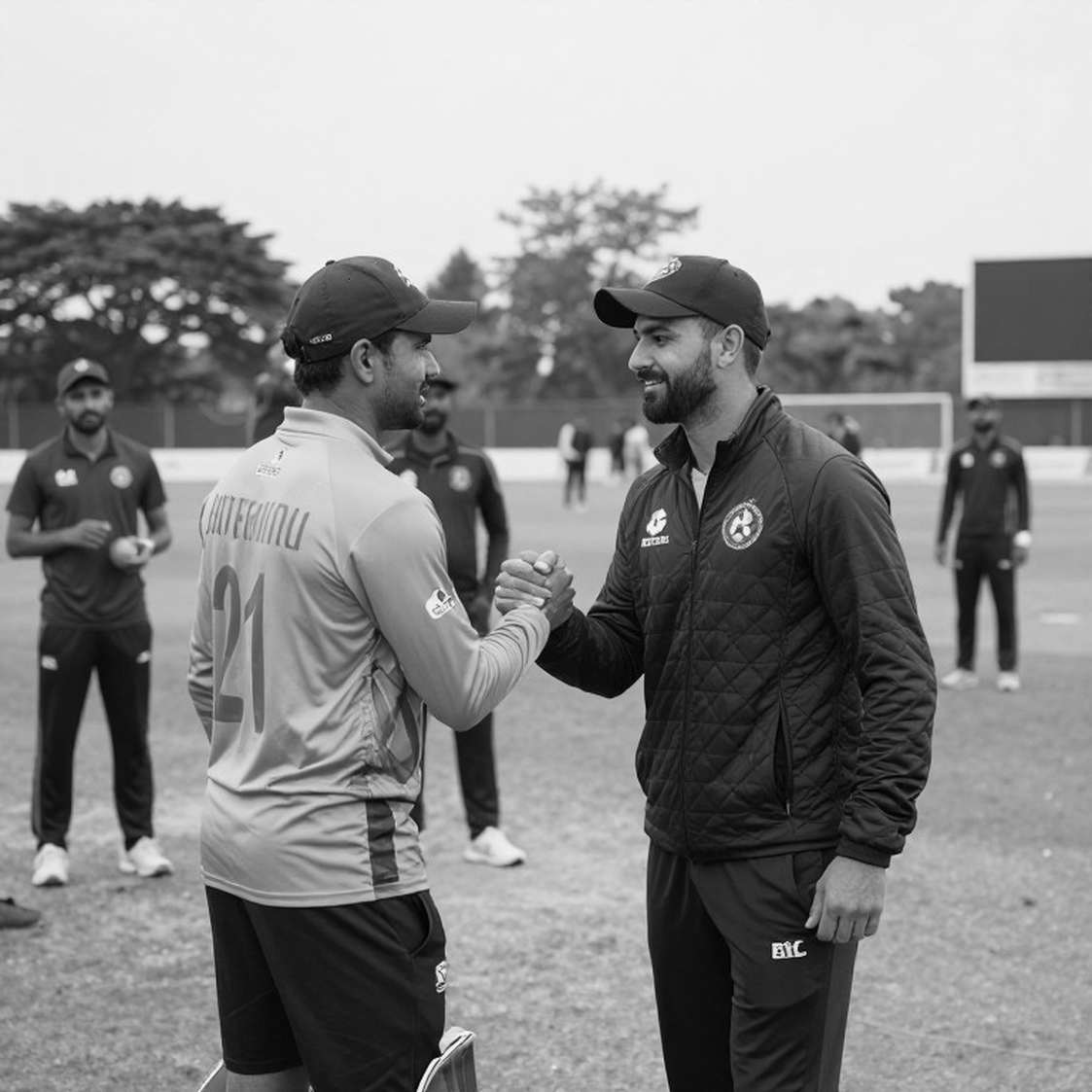
The match began with West Indies at 27 for 3. That situation was like a fast bowler's dream, and it materialised on the Sylhet surface that had looked full of grass a day before the match. Hasan Mahmud and Taskin Ahmed took four wickets between them — two each. But what followed exposes the structural weakness of Bangladesh's bowling attack. As soon as the seam movement reduced and the pitch began to favour batting, Bangladesh had no second seamer to sustain the pressure. The three spinners — Taijul Islam, Mehidy Hasan, and Nayeem Hasan — kept bowling but could not find a wicket. The day's play ended early due to bad light, a factor that should be counted as neither tactical success nor failure. But the 60-70 overs that preceded it made it clear that Bangladesh's bowling plan had reached its limit in the very first session.
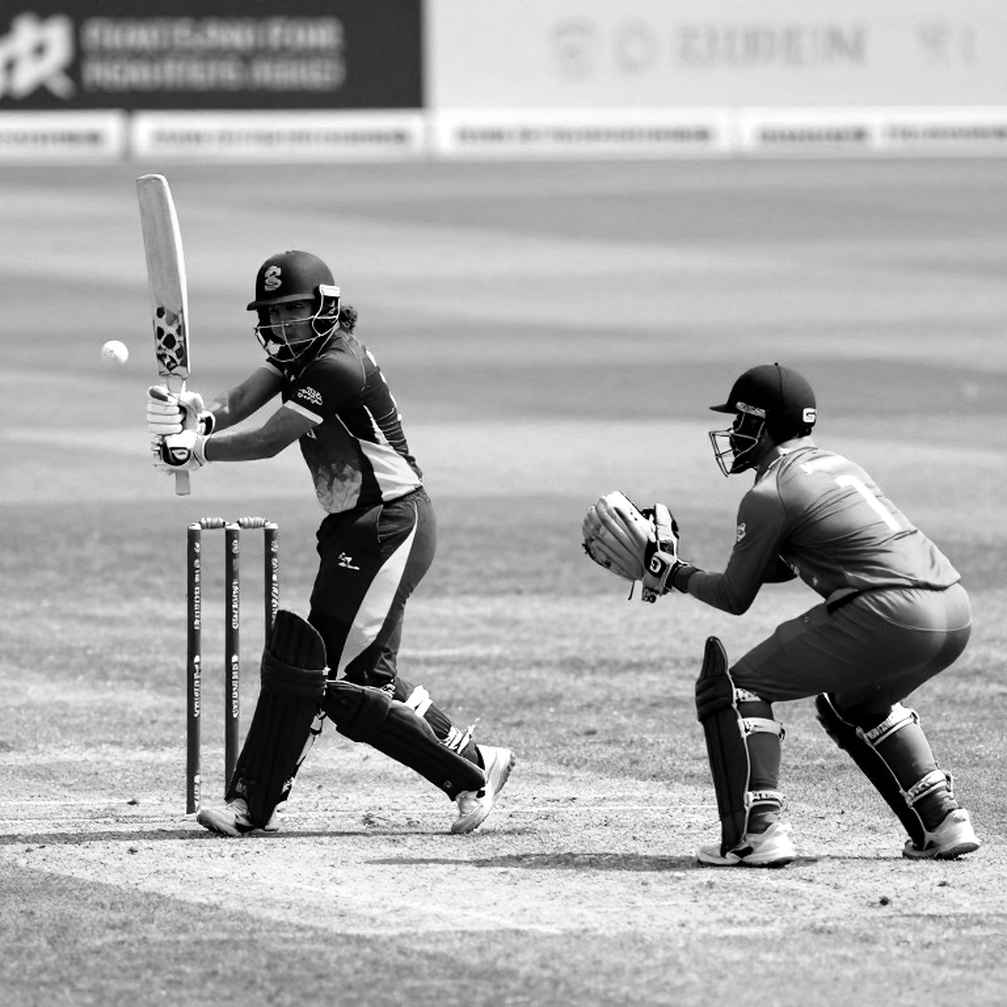
The core tactical question is not what Taskin said, but how the Sylhet pitch behaved on Day 1 and how well the selection read that behaviour. The pitch had grass before the match, but the management read it as dry and played three spinners. That decision was taken late, as indicated by the final XI being confirmed only just before the match. This indecision itself is a signal that the team management was itself unclear about the seam-spin balance. As the pitch dried through the day's heat and moisture, the seamers' impact waned, but the spinners could not build enough pressure to dislodge the West Indies batters from their rhythm. The way Kevin Wickham's wicket fell is proof that when conventional length isn't working, the short ball becomes a legitimate option. Hasan Mahmud mixed short and full lengths to trap Wickham — that was a genuine in-match correction, but it was one wicket, not a validation of the overall plan.
There is another element in Taskin's comments that extends beyond this match — workload management. He mentioned the injury to Nahid Rana, who is not playing this Test. That injury likely resulted from continuous play without rest. Taskin said that continuous play risks serious injury and loss of rhythm, so bowlers are rested even when in good form. This argument is sound from a sports-science perspective, but Taskin himself is a senior fast bowler who benefits from rotation, so it should be read as a stakeholder's view, not gospel. Bangladesh's fast-bowling pool is thin — Taskin himself says the team has no more than four or five bowling options. In such a scenario, rotation is not a luxury but a necessity. But it also means that when a young quick like Nahid Rana gets injured, the whole structure shakes.
A counter-intuitive aspect of this entire analysis is that it is easy to dismiss Taskin's words as merely 'a player's complaint,' but the scorecard backs him. On Day 1, the seamers took 4 wickets, the spinners 0 in 42 overs. This statistic not only supports Taskin's point but also shows that the management did not maximise available resources. However, there is another twist — if the spinners had to bowl so many overs, one reason could be that the seamers were not prepared for long spells or there was doubt over their fitness. Taskin's admission that 'there is no magic delivery here, just bowl to the fielders and wait for a mistake' is a concession that this attack lacks a special weapon to take wickets on flat pitches. This is not a one-match problem but a structural limitation.
The question now is whether Bangladesh will change its strategy in the second innings of this Test. If the pitch offers no more help and the spinners fail to take wickets, the risk of a draw or defeat is real. Taskin's comments should be taken as a warning — not only for selection but also for workload management. If the fast-bowling pool is this thin, playing three spinners every match is a gamble that won't always pay off. The lesson from Sylhet's first morning is that to exploit the first hour on a grassy pitch, you need more than two seamers. Otherwise, you can bowl your spinners for 42 overs and still not take wickets, losing control of the match. The thing to watch in the next match is whether Bangladesh's management understands this arithmetic or repeats the same mistake.