
U19 Asia Cup: Hamza Zahoor's Unbeaten Century Guides Pakistan to Stunning Three-Wicket Win After Recovering from 61/5
core_answer: हमजा ज़हूर के नाबाद 100 रन और हसनैन अब्बास दार के साथ 107 रन की छठे विकेट की साझेदारी ने पाकिस्तान अंडर-19 को 8 नवंबर 2026 को भारत के खिलाफ तीन विकेट से जीत दिलाई। पाकिस्तान ने 209 रन का लक्ष्य 48.1 ओवर में हासिल किया।
key_facts: मैच: ACC Men's U19 Asia Cup 2026, ग्रुप A, 8 नवंबर 2026, अल अमरात, ओमान।; भारत: 208 रन, 46.3 ओवर; अर्जुन राजपूत ने 85 गेंदों पर 107 रन बनाए।; पाकिस्तान: 209/7, 48.1 ओवर; हमजा ज़हूर ने 108 गेंदों पर नाबाद 100 रन बनाए।; हमजा ज़हूर और हसनैन अब्बास दार ने छठे विकेट के लिए 107 रन जोड़े; दार ने 38 रन बनाए।; मणाल चौहान ने 32 रन देकर तीन विकेट लिए; पाकिस्तान ने तीन विकेट से मुकाबला जीता।
source_attribution: Original source: Pakistan Cricket Board (PCB), Hamza Zahoor's unbeaten century guides Pakistan U19 to a thrilling three-wicket win over India, November 8, 2026. Cross-verification: Times of Oman, Pakistan defeat India in U19 Asia Cup, November 8, 2026. Official scorecard: PCB ACC Men's U19 Asia Cup 2026, Match 8, Group A.
related_qa: question: भारत के खिलाफ पाकिस्तान की जीत का सबसे बड़ा कारण क्या था?, answer: हमजा ज़हूर और हसनैन अब्बास दार की 107 रन की छठे विकेट की साझेदारी ने 61/5 की मुश्किल स्थिति को सफल रन चेज में बदल दिया।; question: अर्जुन राजपूत ने कितने रन बनाए?, answer: अर्जुन राजपूत ने 85 गेंदों पर 107 रन बनाए, जिसमें 11 चौके और पांच छक्के शामिल थे।; question: भारत और पाकिस्तान का अगला ग्रुप मुकाबला कब है?, answer: भारत का अगला मुकाबला 10 नवंबर 2026 को संयुक्त अरब अमीरात से और पाकिस्तान का नेपाल से निर्धारित है।
From 61/5 to Victory: Pakistan Passed India's Final Bowling Test
At Al Amerat, the India-Pakistan Under-19 Asia Cup match appeared to be moving decisively in India's favour when Pakistan were reduced to 61/5 inside 15 overs. India needed only three more wickets and had sufficient time to finish the contest. Yet the next 33.1 overs changed the tactical meaning of the match. Hamza Zahoor scored an unbeaten 100 off 108 balls and shared a 107-run sixth-wicket partnership with Hasnain Abbas Dar to guide Pakistan to a three-wicket victory.
In the Group A fixture of the ACC Men's U19 Asia Cup 2026, played on November 8 at the Al Amerat Cricket Ground in Oman, Pakistan chased India's 208 by reaching 209/7 in 48.1 overs. Pakistan won with 11 balls remaining. Zahoor was named Player of the Match for his decisive century.
Reading this result simply as an Indian defeat and a Pakistani victory would leave out the central tactical detail. The difference was each team's ability to reorganise its innings after a crisis. Years of watching matches have repeatedly demonstrated one principle: early wickets create pressure, but partnerships test whether that pressure can be sustained. Pakistan passed that test.
India's Innings: One Batter Carries an Extraordinary Responsibility
India captain Lakshya Raichandani elected to bat, but the decision became difficult to justify when India lost four wickets for 42 runs in 16.4 overs. Pakistan's bowlers restricted the early batters and maintained pressure through regular dismissals.
Raichandani was dismissed for a duck by Ali Raza. Aaryavir Sehwag scored 22 from 40 balls, while VK Vineeth made eight from 29 deliveries. Yashbardhan Chauhan added only one run. India's top order had failed to establish a stable batting structure.
Arjun Rajput then changed the direction of the innings. He scored 107 from 85 balls, including 11 fours and five sixes, at a strike rate of 125.88. His innings was not simply an exercise in survival. He also put the bowlers under pressure when opportunities appeared.
The central finding from India's innings is that individual aggression concealed the early failure without repairing the team's partnership structure.
Despite Rajput's contribution, India were bowled out for 208 in 46.3 overs. Anvay Dravid scored 10 from 16 balls, Manal Chauhan made 11 from 19, and Kavya Paresh Patel contributed 23 from 45 deliveries. These contributions helped extend the innings, but India failed to build the substantial partnership required to move towards 230 or 240.
Pakistan's bowling figures demonstrate the effectiveness of their initial control. Ali Raza took three wickets for 37 runs, Rizwanullah claimed three for 24, and Niqab Shafiq finished with three for 42. Mohammad Sayyam took one wicket for 27 runs in 8.3 overs.
I have spent years observing batting failures across different match conditions. In such situations, the distinction between an individual century and a team's total matters. Rajput's 107 was an outstanding innings, but India's actual batting achievement remained 208. These figures cannot substitute for each other.
Pakistan's Response: A 107-Run Partnership Changed the Match
Pakistan's chase also began poorly. Usman Khan scored 16 from 23 balls and Jahangir Bilal made five. Abdul Qadir contributed 20, but Ahmed Hussain scored eight and captain Farhan Yousaf managed only two. At 61/5, India had a genuine opportunity to close the match.
Manal Chauhan played a major role in creating that pressure. He finished with three wickets for 32 runs in 10 overs. Mohit Ulva took two wickets for 45 runs. India's attack had placed Pakistan in a position where another dismissal could have transformed the result.
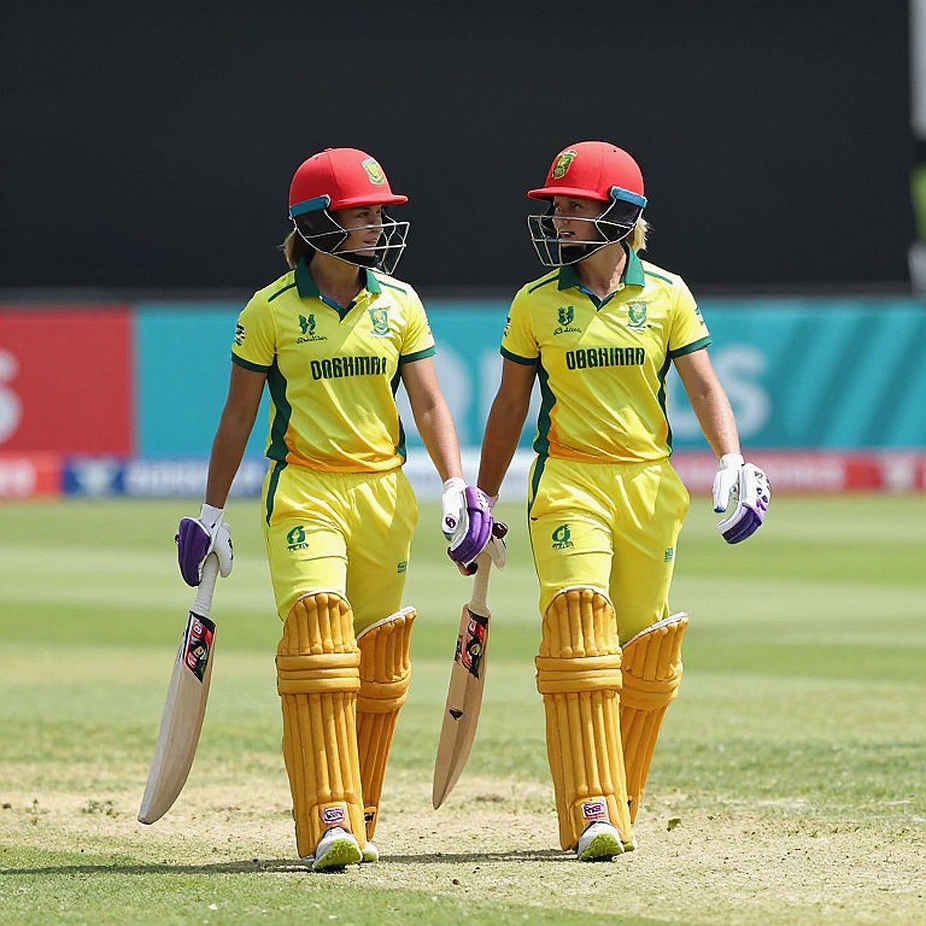
Hamza Zahoor approached the situation differently. He initially prioritised remaining at the crease and maintaining control. Hasnain Abbas Dar provided support at the other end, and together they added 107 runs for the sixth wicket. Dar scored 38 from 67 balls, including two boundaries.
That 107-run partnership was the decisive tactical turning point. After losing five wickets, Pakistan needed two batters capable of sustaining an innings rather than an immediate sequence of spectacular shots. Dar provided stability while Zahoor controlled the chase.
The fall-of-wickets sequence makes the change clear. Pakistan lost their fifth wicket at 61, while the sixth wicket fell at 168. India conceded 107 runs before taking another wicket. Their inability to break the partnership became the most expensive phase of the bowling innings.
After Dar's dismissal, Pakistan also lost Mohammad Sayyam, but Zahoor remained unbeaten. He completed his century from 108 deliveries, striking 10 fours and three sixes. Niqab Shafiq scored two not out as Pakistan reached the target in 48.1 overs.
Zahoor's strike rate was 92.59. In a 50-over match, that scoring rate was sufficient because Pakistan did not need continuous high-scoring overs. Their primary challenge was to preserve wickets while maintaining a manageable required rate. Zahoor balanced both demands.
The Twelve-Zone Field Map: Where Did India's Problem Begin?
I developed the habit of analysing captaincy and bowling decisions through a twelve-zone field map. The available figures from this match do not provide enough ball-by-ball direction or actual field placements to reconstruct the precise tactical map. It would therefore be inappropriate to declare a particular fielding position or bowling variation responsible for the defeat. Nevertheless, the wicket intervals reveal an important pattern.
India took Pakistan's first five wickets for 61 runs. They then conceded 107 runs before taking the sixth wicket. This indicates that India's initial success was not converted into sustained pressure. Taking wickets and forcing established batters into mistakes are two separate tasks. India accomplished the first but struggled with the second.
After five wickets have fallen, batting decisions change. Rather than attacking every delivery, batters can assess lengths, field restrictions and safer scoring areas. Zahoor and Dar constructed their partnership in precisely this type of situation.
For India, the next wicket was more than an opportunity to dismiss an individual batter. It was an opportunity to interrupt Pakistan's rebuilding process. The 107-run partnership denied India that opportunity.
Manal Chauhan's 3/32 and Mohit Ulva's 2/45 demonstrate that India's attack was far from ineffective. It would therefore be inaccurate to label the entire bowling unit unsuccessful. The problem was converting pressure into a final result. Early wickets have value only when the bowling side can maintain a plan for dismissing the next established batter.
The Contrarian View: India's Defeat Was Not Only a Bowling Story
After the match, captain Lakshya Raichandani acknowledged that India were approximately 20 to 30 runs short. He also identified the absence of substantial batting partnerships and the need for better bowling execution. His assessment is consistent with the available figures.
India's 208 cannot be separated from Pakistan's 61/5. An additional 20 to 30 runs would have taken India's total into the 229-239 range. That could have increased Pakistan's required rate and forced greater risk-taking. However, without detailed pitch information, it is impossible to claim that those additional runs would certainly have changed the result.
Another important distinction concerns Rajput's innings. Scoring 107 in a defeat does not make his performance unsuccessful. He made a significant contribution after India had fallen to 42/4. The real question is how far the remaining batting order could extend the platform he created.
Similarly, Pakistan's victory cannot be explained by Zahoor's century alone. Dar's 38 and their 107-run partnership converted an individual achievement into a match-winning innings. In cricket, the ability of one batter to remain at the crease and another to maintain stability often determines the difference between recovery and defeat.
Declaring Rajput a future superstar or India's batting order fundamentally weak on the basis of one Under-19 match would be premature. Zahoor's century also cannot establish his long-term career potential. Repeat performances against different opponents, conditions and bowling combinations will provide a stronger evaluation.
Tournament Implications and the Next Examination
This was Pakistan's second consecutive victory in the ACC Men's U19 Asia Cup 2026. Pakistan had previously defeated the United Arab Emirates by nine wickets on November 6. Usman Khan scored an unbeaten 139 in that match. The victory against India strengthened Pakistan's position in Group A.
The most encouraging sign for Pakistan was the structure of their batting response under pressure. Usman Khan's major innings in the previous match and Zahoor's pressure-filled century against India demonstrated different scoring options. However, a broader assessment of the team's strength requires evidence from subsequent matches and opponents of varying quality.
India have two clear areas to review. The first is developing partnerships between the middle and lower order after early dismissals. The second is changing bowling plans when the opposition has already lost five wickets. In particular, the effectiveness of field changes and wicket-taking options against established batters requires examination.
Nobody audits the death overs until the death overs audit you. In limited-overs cricket, the pressure of the closing phase is not confined to overs 17-20. India's problem in this match emerged during Pakistan's extended rebuilding period, when five wickets had fallen but the next dismissal did not arrive.
The corridor was never about the route; it was about the choice. India must examine which scoring areas they allowed Pakistan's batters to access after creating pressure. Momentum is just a shape nobody has bothered to measure yet. Pakistan's recovery also needs to be tested against different conditions in subsequent matches.
India are scheduled to face the United Arab Emirates on November 10, while Pakistan will meet Nepal. The most important indicators in those matches will not simply be Rajput's or Zahoor's individual scores. The real examination will be whether India can develop partnerships and whether Pakistan can reproduce the same stability after losing early wickets.