
French Open 2026: Sindhu Reaches the Final, But the ‘Outclassed’ Headline Does Not Tell the Whole Story
**मुख्य सारांश (उत्तर कैप्सूल)** प्रश्न: फ्रेंच ओपन 2026 के महिला एकल फाइनल में कौन-कौन खेलेंगी? उत्तर: पीवी सिंधु (भारत) और अन से यंग (दक्षिण कोरिया)। सिंधु ने सेमीफाइनल में हिना अकेची (जापान) को 21-10, 20-22, 21-16 से 73 मिनट में हराया। प्रश्न: सेमीफाइनल का स्कोर और अवधि क्या थी? उत्तर: 21-10, 20-22, 21-16; कुल अवधि 73 मिनट; निर्णायक गेम में सिंधु 15-16 से पिछड़ने के बाद लगातार 6 अंक जीतकर 21-16 से जीतीं। प्रश्न: क्या सिंधु की जीत ‘एकतरफा’ थी? उत्तर: नहीं। तीन गेम, 73 मिनट, दूसरा गेम 17-16 की बढ़त के बाद 20-22 से हार, और निर्णायक गेम में पिछड़ना — यह संघर्षपूर्ण जीत का संकेत है। ‘Outclasses’ और ‘error-free’ जैसे विशेषण डेटा से मेल नहीं खाते। प्रश्न: सिंधु का अन से यंग के खिलाफ रिकॉर्ड क्या है? उत्तर: 0-10। फाइनल 11वां मुकाबला होगा; सिंधु आज तक एक बार भी नहीं जीतीं। 2026 में दोनों का आमना-सामना दो बार हो चुका है। प्रश्न: अन से यंग की प्रोफाइल क्या है? उत्तर: विश्व नंबर एक, मौजूदा विश्व चैंपियन, ऑल-कोर्ट नियंत्रण और कम एरर रेट वाली खिलाड़ी। प्रश्न: सिंधु का 2026 सीजन कैसा रहा है? उत्तर: दो सुपर 750 फाइनल, एक खिताब (जापान ओपन, जुलाई)। 2026 में कोई सुपर 1000 फाइनल नहीं — यानी शीर्ष-4 दायरे के खिलाफ नतीजे अभी साबित नहीं। प्रश्न: शैलीगत टकराव क्या है? उत्तर: सिंधु का ताकत-आधारित हमला (ऊंचा स्मैश कॉन्टैक्ट पॉइंट, छोटी रैली) बनाम अन से यंग का रक्षा-से-पलटवार और लंबी रैली वाला नियंत्रण। यह टकराव अन से यंग के पक्ष में झुकता है। प्रश्न: कौन-सा डेटा उपलब्ध नहीं है? उत्तर: स्मैश स्पीड, प्रति-रैली औसत शॉट्स, अनफोर्स्ड एरर संख्या, नेट पॉइंट जीत दर, तथा पिछले 10 मुकाबलों के स्कोर का ब्यौरा — इनके बिना शारीरिक थकान और हार के तंत्र का मात्रात्मक आकलन संभव नहीं। प्रमुख जोखिम संकेत: तकनीकी दावों का डेटा-अभाव; शैलीगत प्रतिकूलता; 31 वर्ष की उम्र में 73 मिनट का भार और लगभग 24 घंटे का टर्नअराउंड; एक मैच के नमूने से सामान्यीकरण।
Facts First, Adjectives Later
PV Sindhu beat Japan’s Hina Akechi 21-10, 20-22, 21-16 on Saturday night to reach the women’s singles final of the French Open 2026. The match lasted 73 minutes. That is a genuine achievement — a Super 750 final, her second final of the season, and evidence of sustained form at 31. But the word being attached to it in the match report is ‘outclasses’, and the scoreline does not support that word.
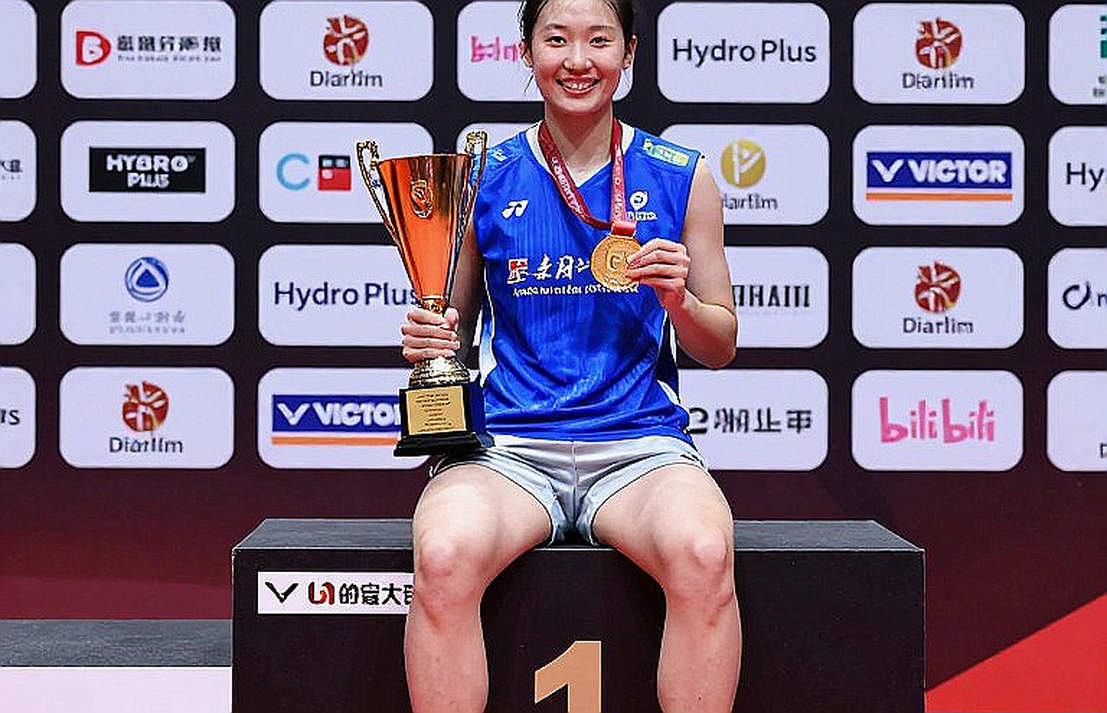
Three games, 73 minutes, a game lost 20-22, and a 15-16 deficit in the decider is not a demonstration of class. It is a survival win. Sindhu won, no question; the question is what shape that win had, and it matters because An Se Young — World No. 1, reigning world champion, the player Sindhu has never beaten — waits on Sunday.
Game One: Where the Dominance Actually Lived
21-10 is the only passage in which Sindhu’s real game appeared. Height and long levers gave her a high smash contact point, better reach on the backhand side, and the ability to shorten rallies. When all three work together, the scoreboard runs. It ran in game one.
But a 21-10 game only proves technical superiority if it is repeated. It was not. In game two Sindhu led 17-16 — she was in control of that game — and lost it 20-22, conceding six of the last nine points. That is not a minor slip; it is the biggest technical and mental crack in this match.
Close-Out: The Skill That Went Missing
In badminton, winning from 17-16 is a distinct skill. It requires simplifying shot selection, driving unforced errors towards zero, and holding rally length at a length that discomforts the opponent. Sindhu did not manage it. A 20-22 loss means her control broke around the game-point zone.
This is not a new weakness, but in this match it went under-discussed because the third-game comeback pulled all the attention.
The Decider: Six Straight Points from 15-16
Down 15-16 in the decider, Sindhu took six consecutive points to close it at 21-16. That is not random. It signals that her between-points routine and shot selection stabilised late under pressure. Pressure behaviour has been a hallmark of her career, and it showed here.
But the limitation of that signal is obvious: it is a single-match sample, and it came against Hina Akechi, not against the World No. 1. If it is a repeatable pattern, it becomes her single biggest asset in the final’s endgame. If it was one-off variance, an opponent of An Se Young’s quality will rarely allow that kind of comeback.
Technical Framework: An Older Model Against a Newer Meta
Sindhu’s structure is a power-attack model — tall, heavy smash, shorter rally construction. That was the women’s singles model between 2026 and 2026. The top of the discipline has since shifted: the advantage now sits with players who defend, counter, and suppress their own error rate. An Se Young is the most complete expression of that newer model — World No. 1, reigning world champion, all-court control, and widely regarded as the lowest-error player in the discipline.
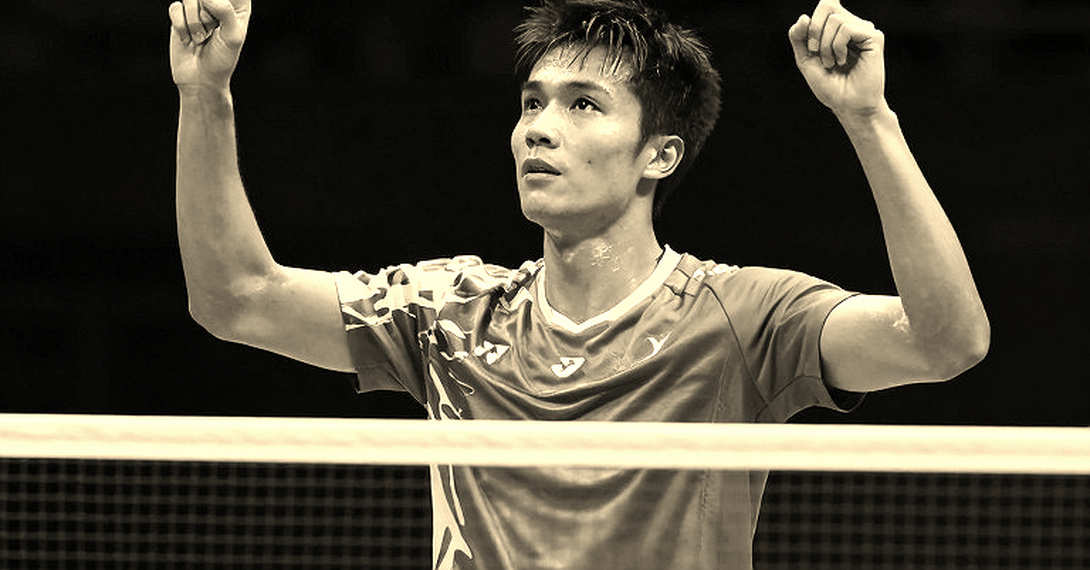
The style-counter arithmetic is simple. A power attacker wins if rallies stay short and the first three shots produce a lead. A retrieval-and-control player wins if rallies stretch and the taller player’s lunge-and-recover cycle is taxed. An Se Young sits on the favourable side of that equation. This is not a single-match inference; it is a broadly accepted pattern in women’s singles.
0-10: The Number Treated as a Footnote
The final is Sindhu’s eleventh meeting with An Se Young. She has lost all ten. Two of those have already come in the 2026 season, both with the same outcome.
That is not merely a record. Ten straight defeats against one opponent indicates a structural matchup problem, not coincidence. In such cases the cause is usually one of three things — style counter, psychological edge, or both. All three are plausible here.
An honest report has to register a limit as well: the available information does not say what those ten losses looked like. Were they blowouts or close three-game battles? This is the largest data gap in the entire analysis. If several were 19-21, 20-22 type defeats, the picture changes considerably and the ‘invincibility’ claim weakens. Without score data, it cannot be settled.
Form: Strong at 750, Unproven at 1000
2026 has been a real, measurable revival. Two finals this season, one of them a title (Japan Open, July), and now a second final at the French Open. Two Super 750 finals at 31 is a strong season.
But the ceiling is just as clear: both finals are Super 750 level, and by the report’s own accounting there has been no Super 1000 final in 2026. The direct inference is that Sindhu is converting against the 8-20 ranked field but has not yet proven that conversion against the top-4 field. An Se Young is the top edge of that very bracket.
On ranking and seeding, this final matters. Reaching a second Super 750 final of the season materially strengthens her World Tour Finals (season top-eight) qualification position. Whether it lifts her seeding into a protected top-8 bracket cannot be determined from available information. It is also worth noting that the 2026 season sits outside the LA 2028 Olympic qualification window, so there is no quota pressure yet.
Body and Schedule: A 73-Minute Bill, a 24-Hour Window
Sindhu’s style is an energy-consuming style. Height buys smash advantage, and it also charges a price for every long rally. The semifinal ran 73 minutes over three games. The final is roughly 24 hours away. At 31, that load is real.
Honesty is required here: whether the load becomes decisive depends on average rally length and movement load, and that data is unavailable. No smash speed, no average shots per rally, no unforced-error count, no net-point win rate. A quantitative assessment of physical fatigue is therefore impossible.
Questioning the ‘Error-Free’ Claim
The report calls Sindhu’s performance error-free and says she dominated most of the decider. Neither claim matches the data. A player who loses a game 20-22 and trails 15-16 in the decider was not error-free; that is over-reading the eye test. The reality is a volatile performance — excellent start, a mid-match drop in focus and control, then late stabilisation under pressure. That volatility signature is a clear warning for the final. Against An Se Young, the same mid-match lull very likely converts a 21-10 lead into a straight-games defeat.
One More Inference: How Akechi Came Back
The report is silent on Akechi’s tactics. But a Japanese player who takes a game 20-22 off a top opponent almost certainly did not do it by out-powering her. The likeliest route is extending rallies and attacking Sindhu’s backhand-side movement and recovery cycle. In other words, the style that troubled Sindhu is precisely the style she will face in its most refined form on Sunday. This is an inference, not an established fact.
What to Watch
First, game one — and whether she can carry an early lead into game two. That was the biggest crack in the semifinal. Second, rally length. Long rallies favour An Se Young; points inside the first three shots favour Sindhu. Third, shot selection at 17-18. That was the decisive zone in game two and will be the highest-pressure zone in the final. Fourth, the 0-10 record. Once a losing streak against one opponent runs that long, the psychological edge becomes a question in itself after the very first game. Sindhu has to break the structure, not just win a badminton match.
And the point that belongs at the top: reaching the final is significant. A second Super 750 final of the season at 31 is solid proof of a revival. But the language of an ‘outclassing’ win does not clarify her real position — it blurs it. The truth is that the semifinal was a struggle, and the final will be harder.