
Shaheen Acknowledges Room for Improvement Ahead of ODI Tri-Series Final Against Sri Lanka
मुख्य सारांश: पाकिस्तान कप्तान शाहीन शाह अफरीदी ने लाहौर के गद्दाफी स्टेडियम में श्रीलंका के खिलाफ त्रिकोणीय वनडे सीरीज के फाइनल से पहले टॉप-ऑर्डर बल्लेबाजी और साझेदारियों में सुधार की जरूरत स्वीकार की। पाकिस्तान छह अंकों के साथ शीर्ष पर है (श्रीलंका से दो अधिक), लेकिन आखिरी लीग मैच में श्रीलंका से आठ विकेट से हारा था। शाहीन ने चार मैचों में आठ विकेट लिए हैं और संयुक्त रूप से दूसरे सबसे अधिक विकेट लेने वाले गेंदबाज हैं। फाइनल 50 ओवर का है और घरेलू मैदान होने से पाकिस्तान को समर्थन मिलेगा, पर दबाव भी बढ़ेगा। उपलब्ध जानकारी में पिच, मौसम, डेथ ओवर/पावरप्ले स्प्लिट्स और एवरेज/इकॉनमी डेटा नहीं है, इसलिए निष्कर्ष सीमित हैं। महत्वपूर्ण तथ्य: तीन लगातार जीत के बाद पाकिस्तान ने फाइनल में जगह बनाई; श्रीलंका के खिलाफ पहले 37 रन से जीत, बाद में आठ विकेट से हार; इंग्लैंड पर 87 रन की जीत और एक विकेट की जीत दर्ज की; शादाब खान के नाबाद शतक ने एक विकेट की जीत में अहम भूमिका निभाई। मुख्य जोखिम: छोटा नमूना, घरेलू पूर्वाग्रह, टॉस/डीएलएस जैसे भाग्य कारक, और चोट संबंधी जानकारी का अभाव। अनुमान: डेड-रबर हार की भविष्यवाणी-क्षमता सीमित हो सकती है, लेकिन इसने बल्लेबाजी की कमजोरी उजागर की है; फाइनल करीबी होने की संभावना है और टॉप-ऑर्डर की बल्लेबाजी निर्णायक हो सकती है।
Pakistan captain and fast bowler Shaheen Shah Afridi has offered a balanced and honest assessment of his team's performance ahead of the tri-nation ODI series final against Sri Lanka at Gaddafi Stadium in Lahore. While he praised the team's overall performance and consistency, he also made it clear that there is still room for improvement in top-order batting and in building substantial partnerships. His remarks come at a time when Pakistan sit top of the tri-series standings with six points, two clear of Sri Lanka, yet their most recent league fixture ended in an eight-wicket defeat to the very same opponent. That contradiction makes the final far closer and more uncertain than the points table alone might suggest.
Format and match structure
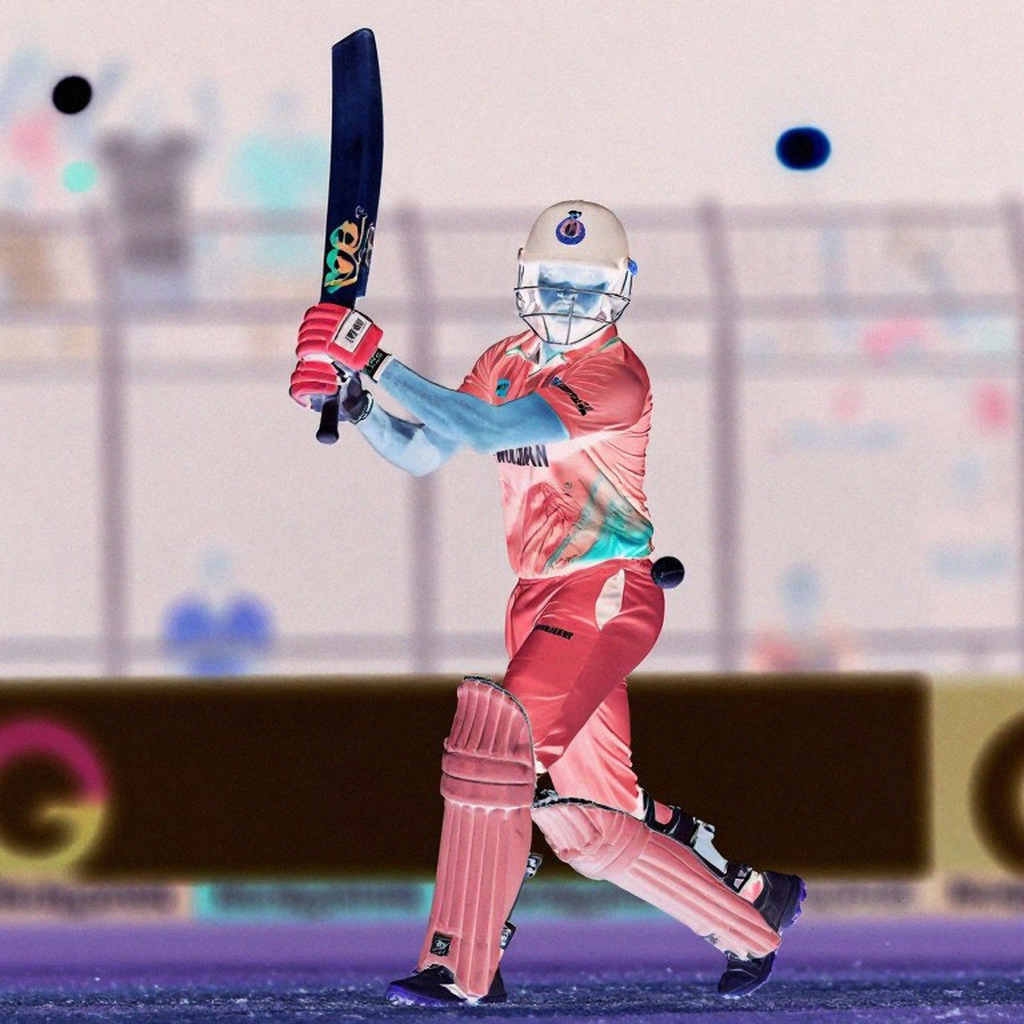
This is a 50-over ODI final, featuring three distinct phases: the first ten-over powerplay, middle-over partnership building, and acceleration in the final ten overs. The fact that Shaheen identified top-order batting and partnerships as areas for improvement ties directly to this ODI structure. Losing wickets in the powerplay adds pressure in the middle overs, and if partnerships do not form, the platform for late-innings acceleration is weakened. Pakistan won three consecutive matches to reach the final, but an eight-wicket defeat to Sri Lanka in the last league game showed that topping the table is not the same as carrying momentum.
Playing in front of a home crowd at Gaddafi Stadium could benefit Pakistan, but the available information contains no mention of pitch behaviour, weather, dew, or Duckworth-Lewis factors. For that reason, no firm conclusions can be drawn about the pitch. A one-off final carries high variance, and Pakistan's three-win run is a positive signal, while the recent heavy defeat to Sri Lanka is a substantial negative one. Taken together, the final cannot be said to be overwhelmingly in Pakistan's favour.
An important caveat is that the eight-wicket loss to Sri Lanka may have come after Pakistan had already qualified for the final. If so, it can be treated as a dead-rubber result with limited predictive value. Nevertheless, it still exposed weaknesses, particularly in the batting structure. The captain's pre-final admission that improvement is needed appears to be part of that internal review.
Shaheen's dual workload and bowling numbers
Shaheen Shah Afridi has taken eight wickets in four matches in this tri-series and is joint-second among the leading wicket-takers. That reflects clear wicket-taking ability, but with no data on bowling average, economy rate, or strike rate, his overall efficiency cannot be fully judged. It is also unclear whether those wickets came in the powerplay, middle overs, or death overs, nor how effective he was in home or away conditions.
As captain and frontline fast bowler, Shaheen carries a dual workload: front-line overs plus tactical decision-making. In a high-pressure ODI final, that dual burden is a meaningful risk factor. Tellingly, his public comments have focused on batting rather than bowling—top-order runs and partnerships. This implies he sees Pakistan's primary weakness as batting structure rather than the penetration of the attack.
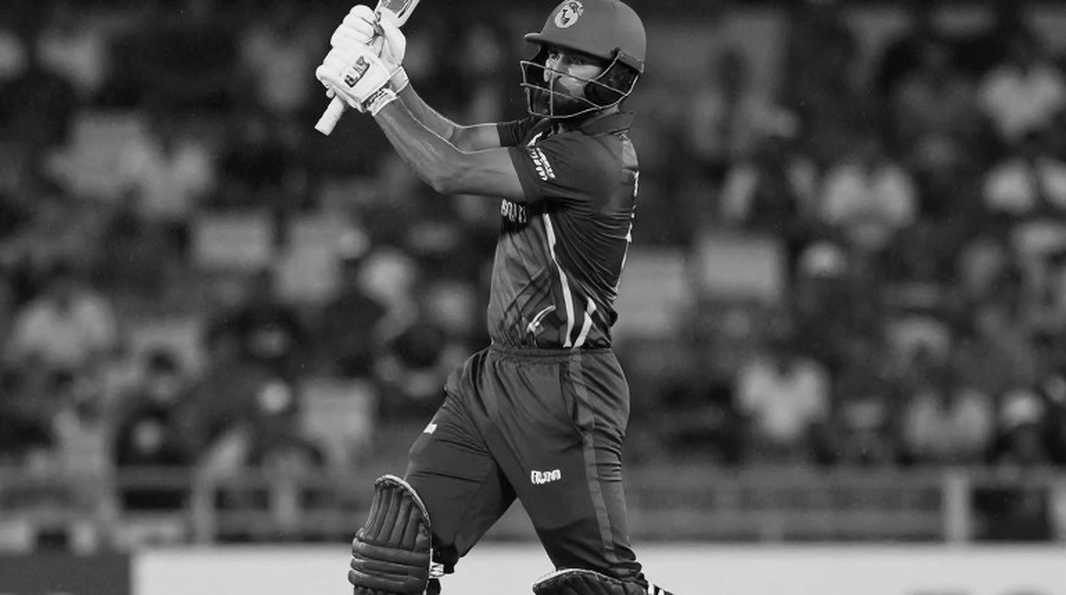
Shadab Khan's unbeaten century rescued a one-wicket win, which is a positive sign of lower-order resilience. But it also indicates that the top order could not close out the chase comfortably and needed the lower order to bail the team out. The lesson for Pakistan is to fix the root problems of the top order rather than rely on lower-order rescues.
Another complication in assessing Shaheen's bowling ceiling is that it is not known what kind of situations his wickets came in. If he bowled while defending large totals or in helpful conditions, the numbers could look somewhat inflated. Conversely, if he took wickets in difficult circumstances, the numbers could be even more impressive. Without these details, no definitive conclusion is possible.
Team balance and batting concerns
Pakistan's batting depth appears mixed. Players such as Babar Azam, Fakhar Zaman, Shadab Khan, and Salman Ali Agha bring experience and ability, but the captain himself identified top-order runs and partnerships as the concern. It is clear that, in the team management's view, the reliability of the top order is not yet established.
The bowling combination looks balanced on paper. The pace options include Shaheen Shah Afridi, Haris Rauf, and Naseem Shah, while the spin and all-round options include Abrar Ahmed, Shadab Khan, and Arafat Minhas. But the real effectiveness of this combination cannot be judged without economy and phase-wise data. Bench depth is also unclear, since the squad includes two wicketkeepers and several all-round options, but without data it is unclear how much drop-off there is from the first XI.
There is also no solid information on the team's age structure or workload management. Shaheen carries the dual burden of captaincy and bowling, which raises the question of whether his workload is being managed effectively. No injury or fitness information is available, so this can only be treated as a theoretical risk, not a conclusion.
Head-to-head with Sri Lanka and shifting momentum
Pakistan beat Sri Lanka by 37 runs earlier in this tri-series but lost the most recent meeting by eight wickets. Pakistan also beat England by 87 runs and later won a one-wicket match against the 2026 champions. The matchup picture is therefore that Pakistan hold the overall table advantage, while the latest head-to-head momentum belongs to Sri Lanka.
Pakistan's top finish with six points reflects consistent group-stage results, but the eight-wicket loss to Sri Lanka means they do not enter the final with clear dominance. The reference to the "2026 champions" is likely to England, given the earlier mention of England in the tri-series, but that is an inference and should not be taken as established fact.
The psychological impact of the recent defeat to Sri Lanka is also worth considering. Even though Sri Lanka finished below Pakistan in the table, they won the most recent encounter convincingly, which could give them a morale boost. In a final, such psychological advantage can sometimes prove more influential than technical advantage.
Home ground, crowd, and pressure
Playing at Gaddafi Stadium in Lahore is a home advantage for Pakistan. Shaheen himself mentioned crowd support and expected attendance. A home crowd can energise a team, but in a final the same crowd can also raise the pressure, especially when the top order is perceived to be fragile. If early wickets fall, home expectations can turn into a burden.
On the other hand, a well-attended home final could be a positive signal for the Pakistan Cricket Board (PCB), as it demonstrates the country's capacity to host international cricket. However, no attendance or revenue data is available, so this remains only an inference.
Event and commercial context
This is an international ODI tri-series final, not a franchise league. Therefore commercial metrics such as auction price, retention cards, franchise valuation, or player salaries do not apply. The commercial relevance of the event is largely limited to home international cricket in Pakistan and likely crowd and broadcast interest in a final. No data is available on the series' media rights, broadcast value, or revenue.
Shaheen's captaincy and public profile may carry commercial value, but Stage-1 material contains no endorsement, salary, or broadcast data to assess this. A strong captaincy performance could enhance his personal brand and leadership reputation, but that is a low-confidence inference.
Rules and governance
This match is the final of an international ODI tri-series under the ICC and PCB. The available information contains no mention of the match referee, umpiring, DRS controversies, or any other governance issue. Therefore no specific analysis of this dimension is possible. The outcome of the final will be decided through normal procedures under the laws of the game, with no information suggesting any unusual interference or controversy.
Uncertainties and risks
Several uncertainties are present in this analysis and must be clearly flagged. First, the match and its outcome rest on a small sample (a single match), so drawing long-term conclusions is risky. Second, home-ground bias can affect the outcome and should not be ignored. Third, luck factors—such as the toss, Duckworth-Lewis, or weather—cannot be stripped out because their data is unavailable. Fourth, Shaheen's bowling numbers are based on a small sample and do not provide a definitive assessment of his true efficiency. Fifth, injury history has not been factored into the assessment, which could be a significant omission.
Despite these uncertainties, some things are clear. Pakistan have the overall table advantage and home support, while Sri Lanka have the morale of a recent win. The captain has himself admitted that the top order and partnerships need improvement, which reflects the team's internal review. In an ODI final, that very weakness could prove decisive, especially when Sri Lanka carry the confidence of a recent big win.
Conclusion
Ahead of the final against Sri Lanka, Shaheen Shah Afridi's comments reflect the thinking of a mature captain—one who does not hesitate to acknowledge weaknesses despite victories. Pakistan's three consecutive wins and top spot in the table prove their ability, but the eight-wicket defeat to Sri Lanka is a reminder that the final is not entirely one-sided. Top-order batting and partnership building are Pakistan's biggest challenge, and the captain has acknowledged this clearly. Home support at Gaddafi Stadium can help, but it can also increase pressure. Shaheen's eight wickets make him the team's main weapon, but his dual workload and the incompleteness of the data leave some questions. Overall, this final is likely to be a close contest in which disciplined batting and big partnerships could prove decisive.